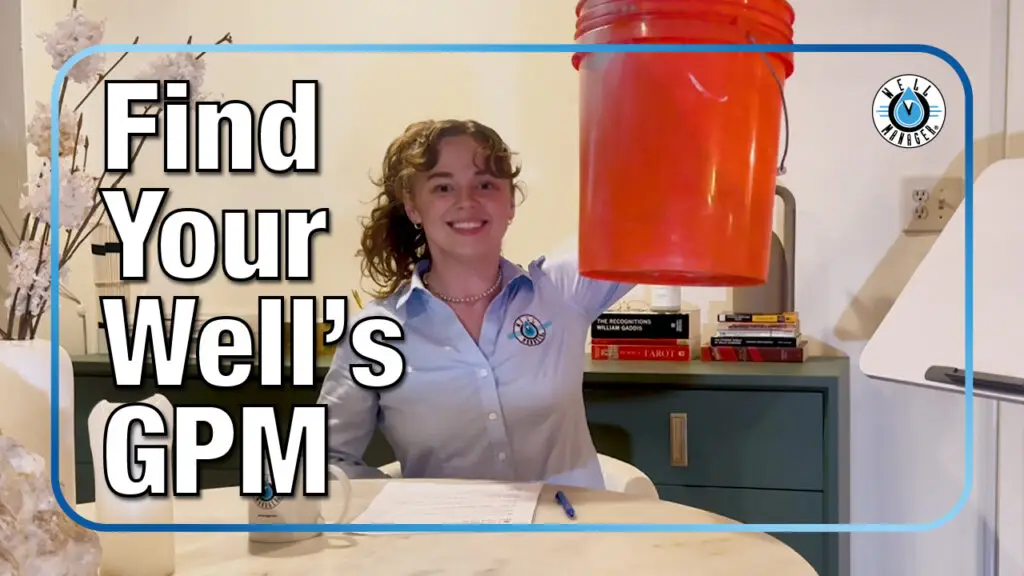
Well Water Storage System | How the Well Watcher™ Works
How the Well Watcher™ Helps Improve Well Water Availability
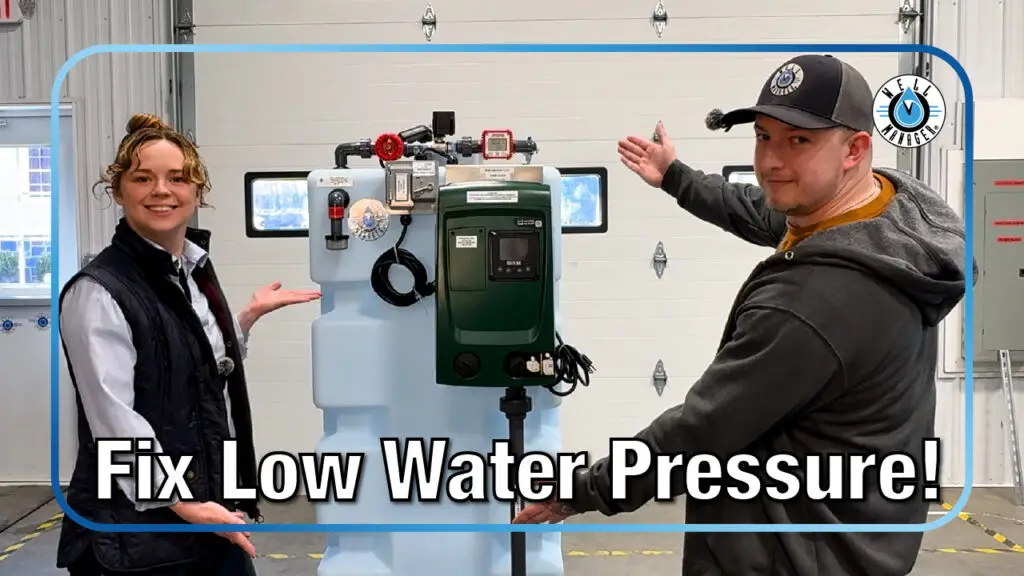
Struggling with inconsistent water pressure or occasionally running out of water from your well? In this video, we explain how the Well Watcher™ System works as a well water storage system designed to help improve water availability and pressure in homes with low-producing or inconsistent wells. Learn how stored water can help your home keep up with daily demand without immediately replacing your existing setup.
If your home has low water pressure, inconsistent flow, or a well that struggles to keep up during busy times, additional water storage may help. This video explains how the Well Watcher™ System works by collecting and storing water from your existing well system, then re-pressurizing it for more dependable household use. Unlike systems that replace your setup entirely, the Well Watcher™ works alongside your existing pressure tank and plumbing to help improve water reliability, reduce interruptions, and support homes with growing water demand.
What This Video Covers
- How a well water storage system works
- How the Well Watcher™ collects and stores water
- How stored water can help improve well water pressure
- Why some homes experience inconsistent water supply
- When a water storage solution may help avoid running out of water
Why Some Homes Need More Water Storage
Many homeowners assume their well has failed when they experience low water pressure or periods where water seems to run out. In reality, some wells simply produce water more slowly than the household uses it.
This becomes more noticeable during showers, laundry, irrigation, filling tubs, hosting guests, or homes with larger families. Even a functioning well may struggle to keep up with periods of high demand.
When a well produces water slower than the home uses it, water storage can help bridge the gap.
What Is the Well Watcher™ System?
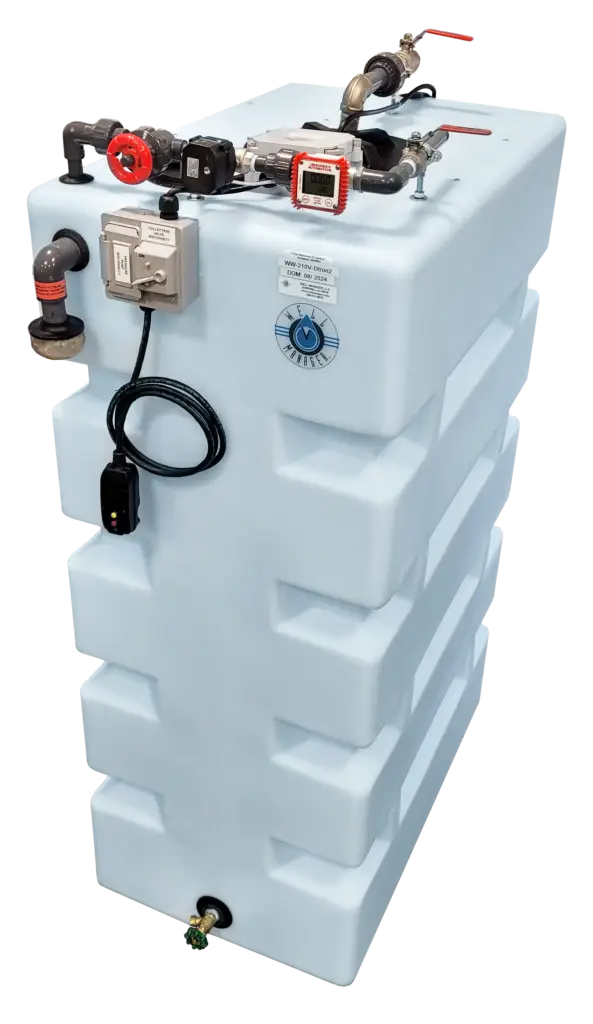
The Well Watcher™ System is a well water storage system designed to work alongside your existing well equipment.
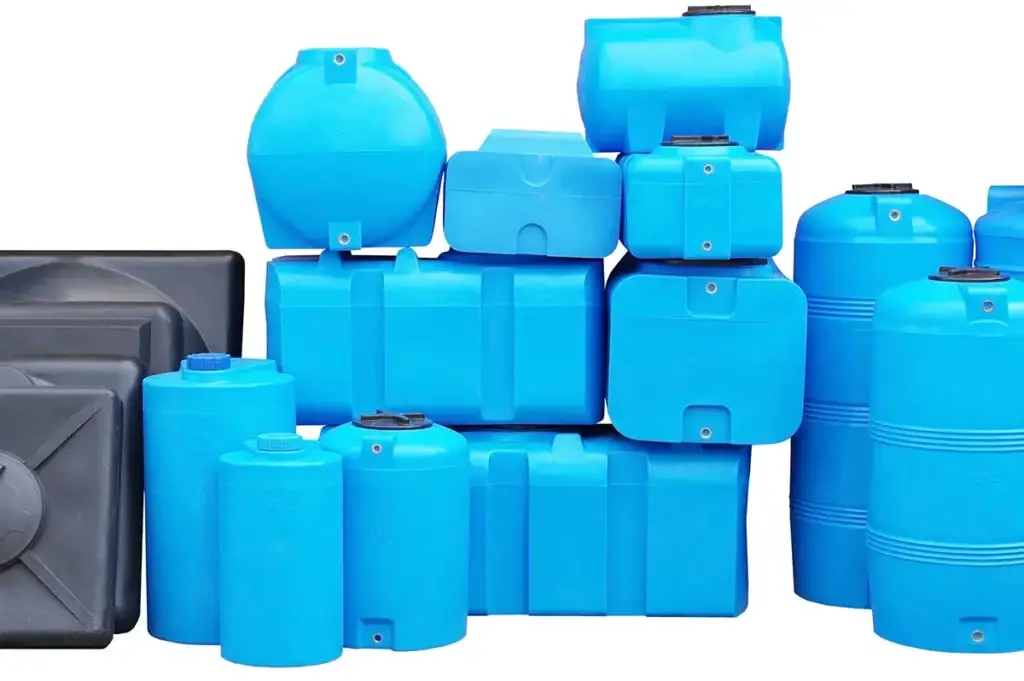
Instead of replacing your pressure tank setup, the system collects water from your existing well system and stores it in a potable water tank. Once stored, the system uses a pressure pump to deliver smoother, more dependable water throughout the home.
This helps create a reserve of available water while improving consistency during higher household demand.
How the Well Watcher™ Helps Improve Water Availability
The Well Watcher™ is especially helpful for homes that:
- Occasionally run out of water
- Experience weak or inconsistent well water pressure
- Have low-producing wells that still provide usable water
- Need more dependable supply for larger families, irrigation, or livestock
- Want additional water storage without completely redesigning their system
Because stored water is already available, the home is less dependent on how quickly the well produces water in real time.
Works With Existing Well Equipment
One of the biggest advantages of the Well Watcher™ System is that it works with your existing pressure tank system.
Rather than removing your current setup, the system integrates with it to collect excess water, store it, and help provide a more reliable water supply when demand increases.
Every property is different, which is why tank sizes, pump options, and system layouts can be customized based on well production and household water use.
Need a Better Well Water Supply?
If your home struggles with inconsistent water pressure or occasionally runs out of water, the Well Watcher™ System may help improve water availability without replacing your existing setup.
Related Posts