How to Increase Well Water Pressure | Solutions Without Drilling a New Well
Dealing with weak showers or low water pressure from your well? In this video, we explain how to increase well water pressure and explore practical solutions that may help improve performance without immediately drilling a new well. Learn common reasons well pressure drops, what solutions may help, and how homeowners can improve comfort and water reliability.
Low water pressure can make daily life frustrating, but it does not always mean your well has failed. This video explains how to increase well water pressure by exploring common causes and practical solutions for improving performance. You’ll learn how low-yield wells, pressure tank limitations, plumbing restrictions, water treatment systems, and high household demand can affect pressure — along with water storage and booster solutions that may help improve comfort and reliability without drilling a new well.
What This Video Covers
- Common causes of low well water pressure
- How to increase well water pressure without drilling a new well
- When low-yield wells may affect water availability
- How storage and booster systems may help improve pressure
- Practical solutions for homes with growing water demand
Why Well Water Pressure Becomes Low
Low water pressure is one of the most common frustrations for homeowners on private wells.
Weak showers, slow faucets, pressure drops when multiple fixtures run, or inconsistent flow throughout the home can make everyday water use difficult.
In many cases, homeowners assume the well has failed or that drilling a new well is the only option.
However, low water pressure can happen for several reasons — and many situations may be improved without drilling.
Common Causes of Low Well Water Pressure
Several issues can contribute to low well water pressure, including:
Low-Yield or Slow-Recovery Wells
Some wells simply do not produce water fast enough to keep up with household demand.
When water is used faster than the well recovers, pressure and water availability may suffer.
Pressure Tank Limitations
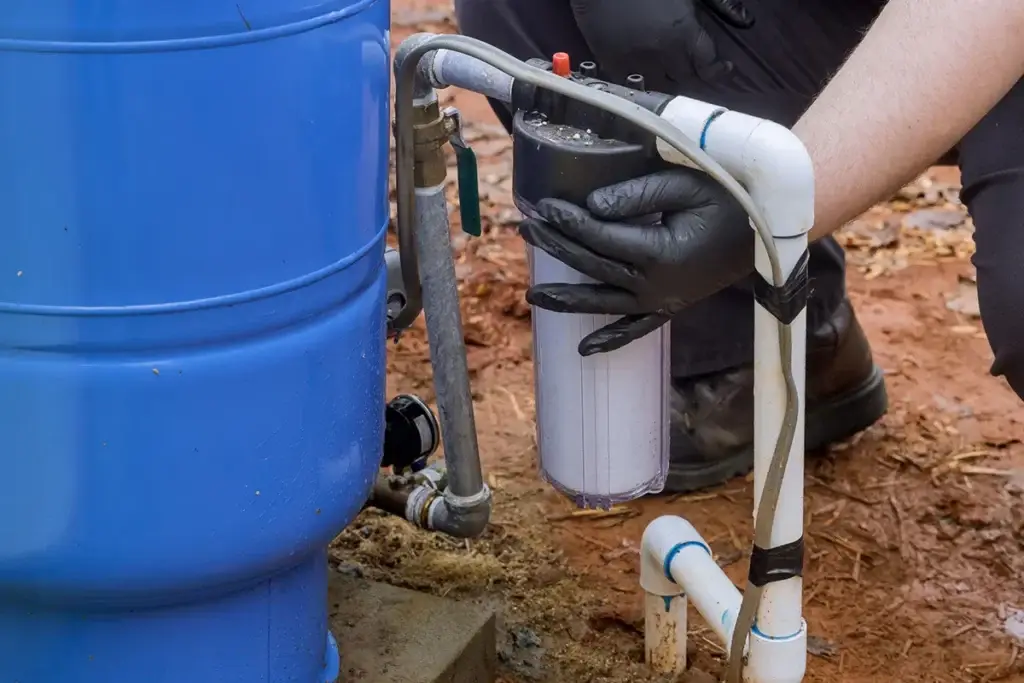
Older, undersized, or failing pressure tanks may struggle to support household demand, especially in larger homes or homes with growing water use.
Plumbing Restrictions
Old plumbing, undersized piping, clogged filters, or water treatment systems may reduce flow and pressure throughout the home.
High Household Demand
Homes with multiple bathrooms, irrigation systems, livestock, pools, large families, or frequent water use may place more demand on the system than it was originally designed to handle.
Solutions That May Help Improve Well Water Pressure
The right solution depends on what is causing the problem.
Some common ways homeowners improve pressure include:
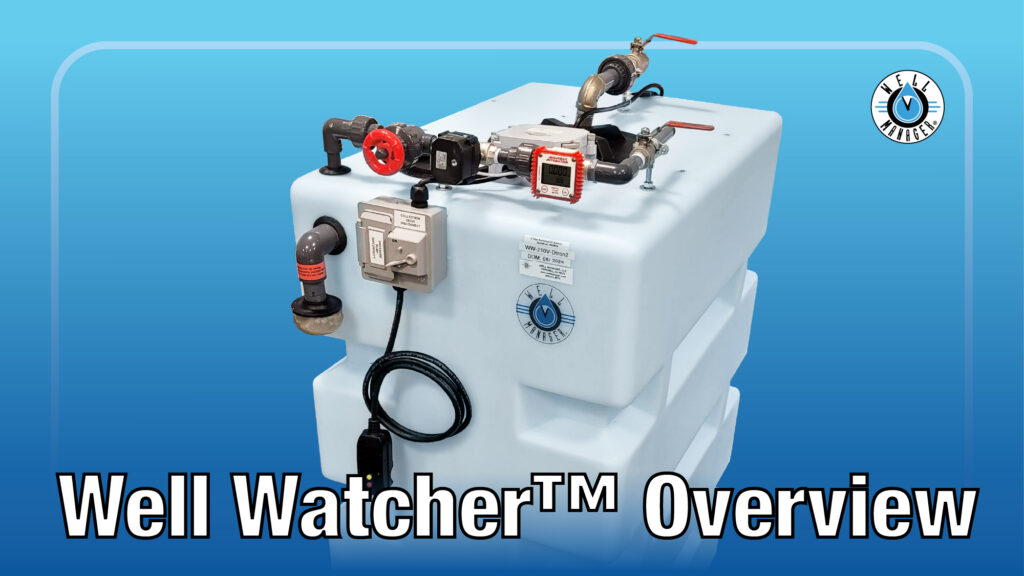
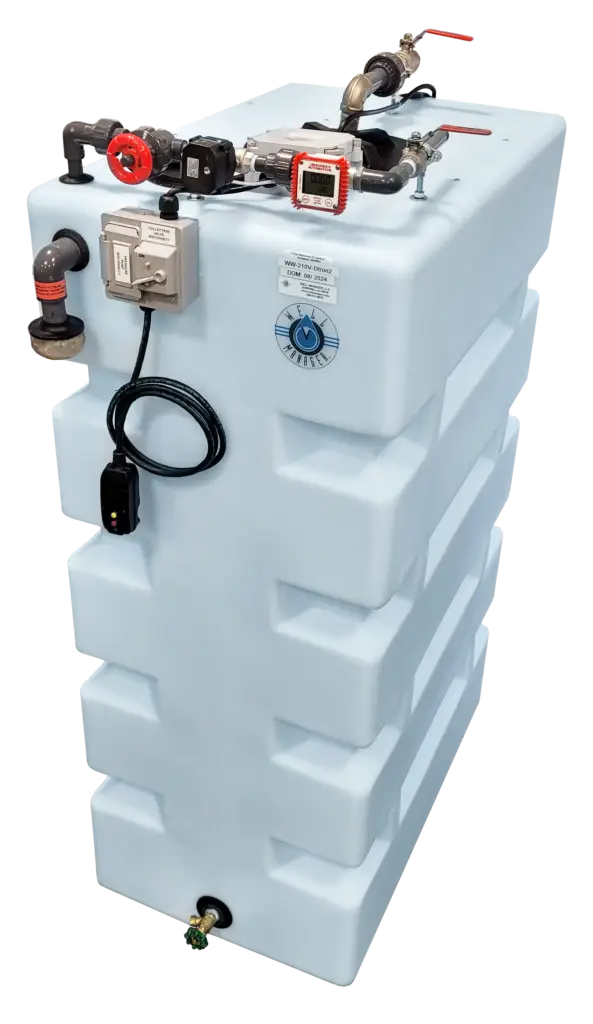
- Water storage systems for homes with low-yield wells
- Booster systems designed to improve pressure consistency
- Re-pressurization systems for treatment or filtration setups
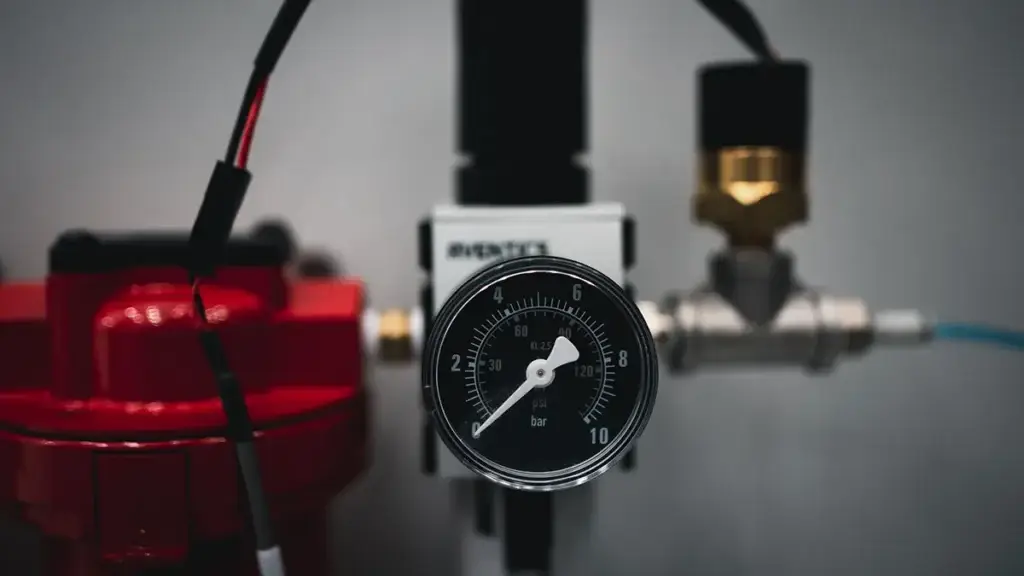
- Updating pressure-related equipment
- Improving water management for higher-demand households
For many homeowners, improving how water is collected, stored, or delivered may significantly improve comfort and reliability.
You May Not Need to Drill a New Well
While drilling a new well may sometimes be necessary, it is not always the first or best solution.
In many cases, improving water storage, water management, or pressure delivery can help homeowners improve performance without immediately taking on the cost and uncertainty of drilling.
Understanding the cause of low pressure is often the first step toward finding the right solution.
Frustrated With Low Well Water Pressure?
If your home struggles with weak water pressure, inconsistent flow, or running out of water, our team can help explore possible solutions for your setup.
Related Posts