Timed Water Collection for Low-Yield Wells | How It Works
If your well can’t keep up with your household’s water demand, timed water collection may be the solution. Rather than pumping the well continuously until it runs dry, this method allows the well to recover between pump cycles while gradually storing water for later use.
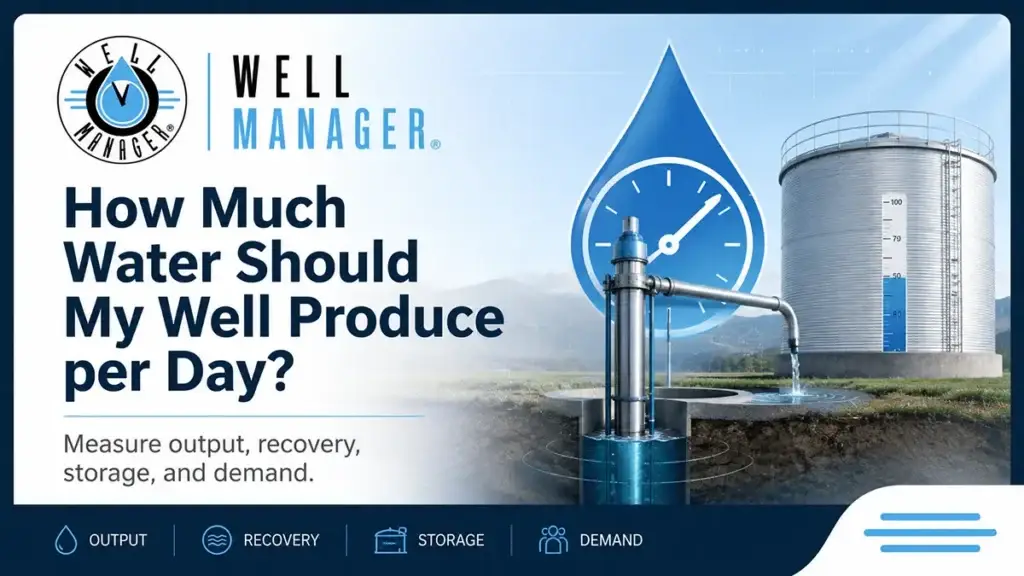
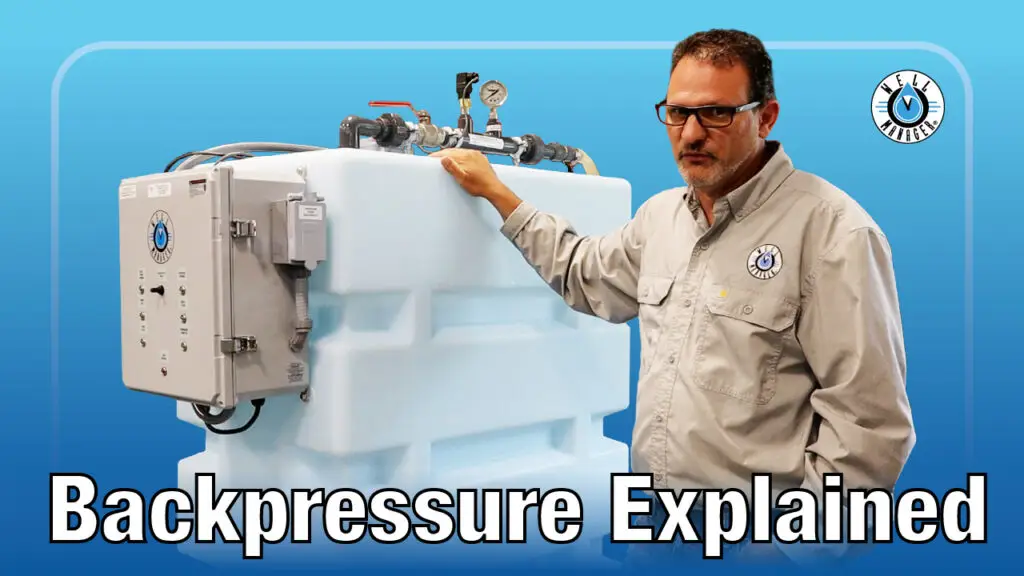
In this video, we explain how timed water collection helps low-yield wells recover between pump cycles instead of being continuously overworked. By collecting water gradually and storing it for later use, timed water collection can help homeowners get a more reliable water supply without immediately turning to drilling, hydro-fracking, or other major well work.
What This Video Covers
- What timed water collection is
- Why well recovery time matters
- How timed collection helps protect low-yield wells
- Why storage tanks improve water reliability
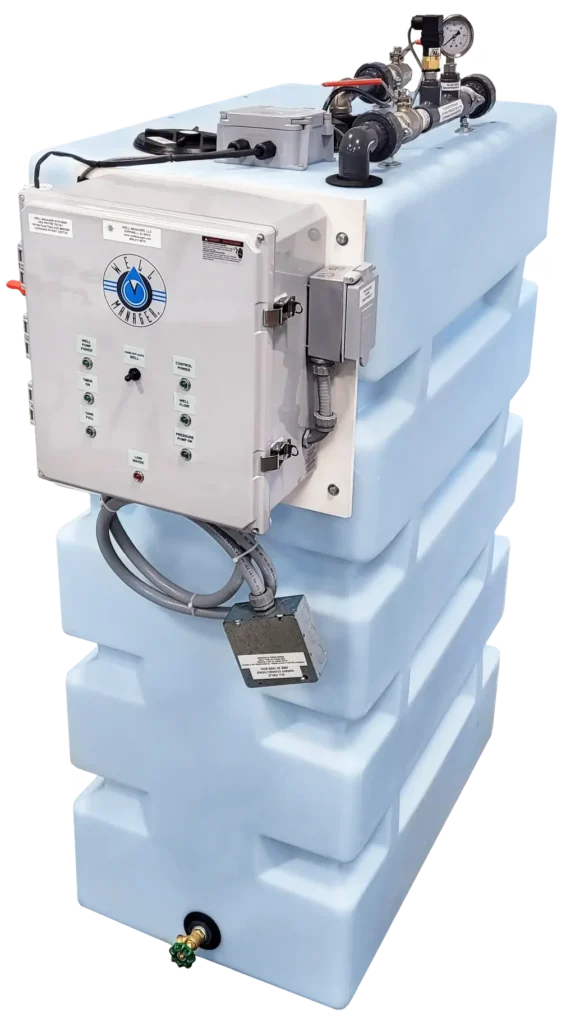
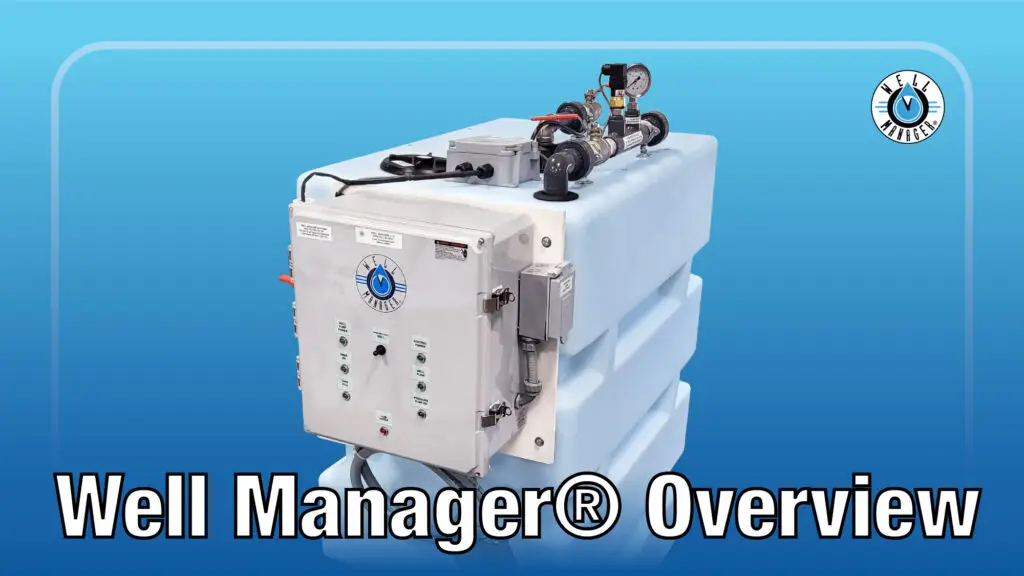
- How the Well Manager® System automates timed water collection
- Why this method can be a better alternative to continuously running the well pump
Why Timed Water Collection Matters
Many homeowners assume that if their well runs dry, the only option is drilling a new well. In reality, many wells simply produce water more slowly than the home uses it.
Timed water collection works by collecting water at a controlled rate while allowing the well to naturally recharge between pumping cycles. The collected water is stored until your home needs it, allowing your booster pump to deliver steady water pressure without constantly stressing the well.
For many low-yield wells, this approach improves reliability while helping protect the well pump from unnecessary wear.
Is This Video Right for You?
This video is especially helpful if:
- Your well runs out of water during heavy use
- Water pressure drops throughout the day
- Your well has a slow recovery rate
- You’ve been told you need to drill a deeper well
- You’re looking for alternatives to hydro-fracturing
- You want to better understand how low-yield wells can be managed
Why Recovery Time Matters
Many low-producing wells aren’t out of water—they simply need time to recharge. When a well is pumped continuously, it can outpace the aquifer’s ability to replenish itself, leading to pressure drops or temporary water shortages.
Allowing the well to rest between collection cycles helps maximize the amount of water available while reducing unnecessary strain on the well pump.
Benefits for Low-Yield Wells
This collection method can provide several advantages for homeowners dealing with limited well production:
- Allows the well to recover naturally between pump cycles
- Reduces the likelihood of pumping the well dry
- Delivers consistent household water pressure
- Stores water for periods of higher demand
- Helps reduce wear on the well pump
- Can be an alternative to drilling a deeper well
- Makes better use of your existing water supply
Think timed water collection could solve your water problems?
Contact our team to discuss your well and find out whether a Well Manager® System is the right solution for your property.