Well Manager® Back Pressure | Understanding Timed Water Collection
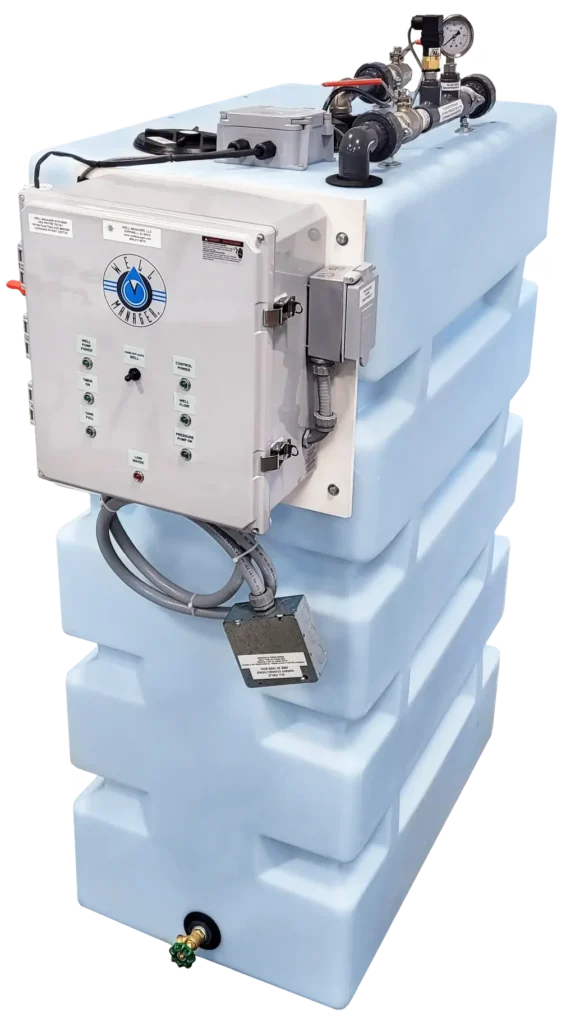
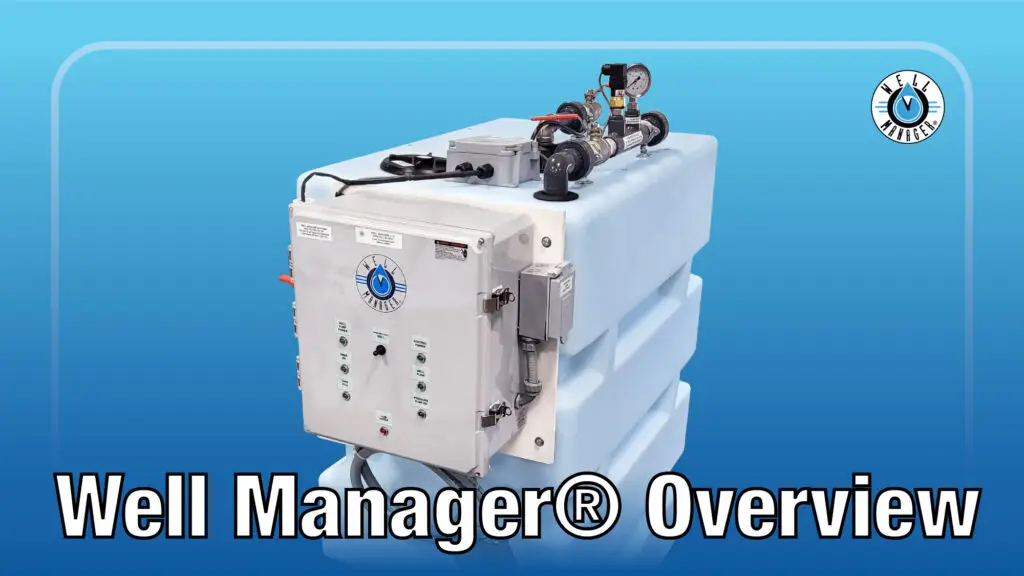
Wondering what back pressure does in a Well Manager® System? In this video, we explain Well Manager back pressure, why it matters for low-yield wells, and how proper adjustment helps support timed water collection. Learn why back pressure is required for the system to collect water, how to properly adjust settings, and why valve position plays an important role in system operation.
Understanding system settings can help your Well Manager® perform more effectively. This video explains Well Manager back pressure, why it is essential for proper water collection, and how to correctly adjust settings for your system. You’ll learn how back pressure supports timed water collection, why the system requires pressure to collect water from the well, and why incorrect valve adjustment can prevent proper operation. We also explain recommended settings, including why most systems are typically adjusted between 7–10 PSI for dependable collection and well performance.
What This Video Covers
- What back pressure is in a Well Manager® System
- Why back pressure is required for water collection
- Recommended back pressure settings (typically 7–10 PSI)
- How to adjust back pressure correctly
- Why valve position matters for proper system operation
What Is Back Pressure in a Well Manager® System?
Back pressure is an important part of how the Well Manager® System collects water from low-yield or slow-recovery wells.
Rather than pulling water from the well too quickly, the system is designed to regulate collection so water can be gathered at a controlled pace. This helps support timed water collection and allows the system to slowly collect water while helping protect the well from being overworked.
For homes with low-producing wells, proper water collection can make a major difference in long-term reliability and day-to-day water availability.
Why Back Pressure Matters
Back pressure is one of the most important settings in a Well Manager® System because it directly affects whether the system can properly collect water from the well.
Without enough back pressure, the system may stop collecting water altogether or fail to operate as intended.
The Well Manager® System requires a certain amount of pressure in order to properly collect water and move it into storage. This controlled collection process helps low-yield wells recover between pumping cycles and supports more dependable water availability for the home.
For most systems, we generally recommend a back pressure setting between 7–10 PSI, though exact adjustments may vary depending on the well and setup.
Why Valve Position Is Important
When adjusting back pressure, valve position matters.
The valve should not be fully opened or fully closed during normal operation. Incorrect valve positioning can prevent the system from collecting water properly and may affect overall system performance.
This video explains how to make adjustments and better understand how the setting affects system operation.
Because every well behaves differently, small adjustments may sometimes be needed to help match the well’s recovery rate and water production.
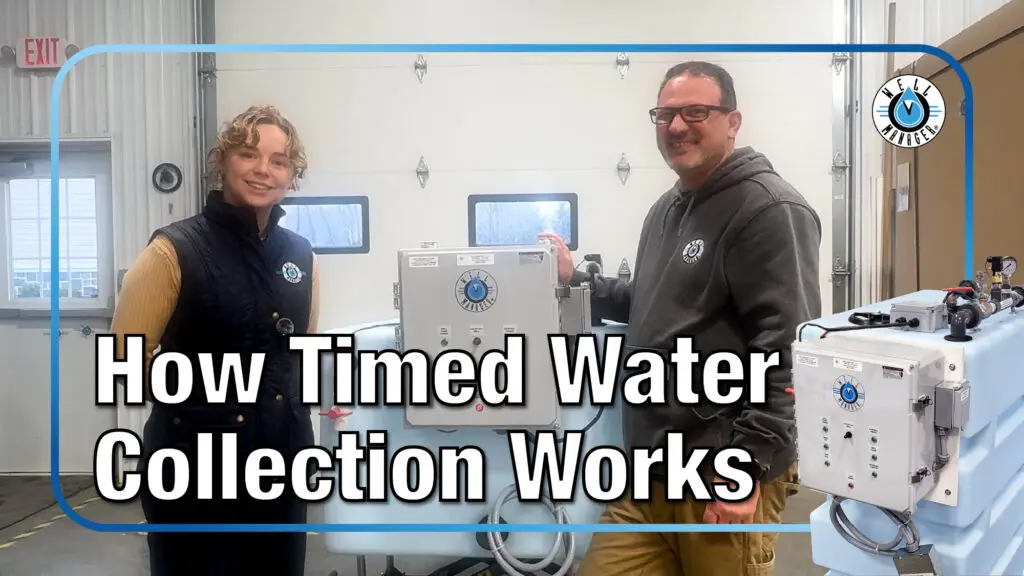
How Timed Water Collection Works
The Well Manager® System uses timed water collection to slowly gather water over time and store it for later household use.
Rather than demanding water directly from the well whenever the house calls for it, the system works to collect water gradually and build a reserve inside the storage tank.
Back pressure works together with timed collection settings to help regulate this process and support more dependable water availability for homes with low-yield wells.
Have Questions About Your Well Manager® Settings?
If you need help understanding back pressure, timed water collection, or system setup, our team is here to help.