A water pressure booster pump can sound like the obvious fix when a home has weak pressure. If the upstairs shower fades, the washing machine fills slowly, or several fixtures struggle at the same time, stronger pressure feels like the answer. In some homes, it is the answer. The problem is that the pump still has to be installed in the right location and sized around the water the system can actually provide.
That is where many pressure fixes go wrong. A booster pump does not work in isolation from the well, storage, piping, elevation, distance, and household demand. If it draws from the wrong place, it can keep pressure problems alive or put more demand on a well that already struggles. If it is sized around a single symptom rather than the whole system, it can be too small, too aggressive, or misaligned with how the home actually uses water.
Where a Water Pressure Booster Pump Usually Goes
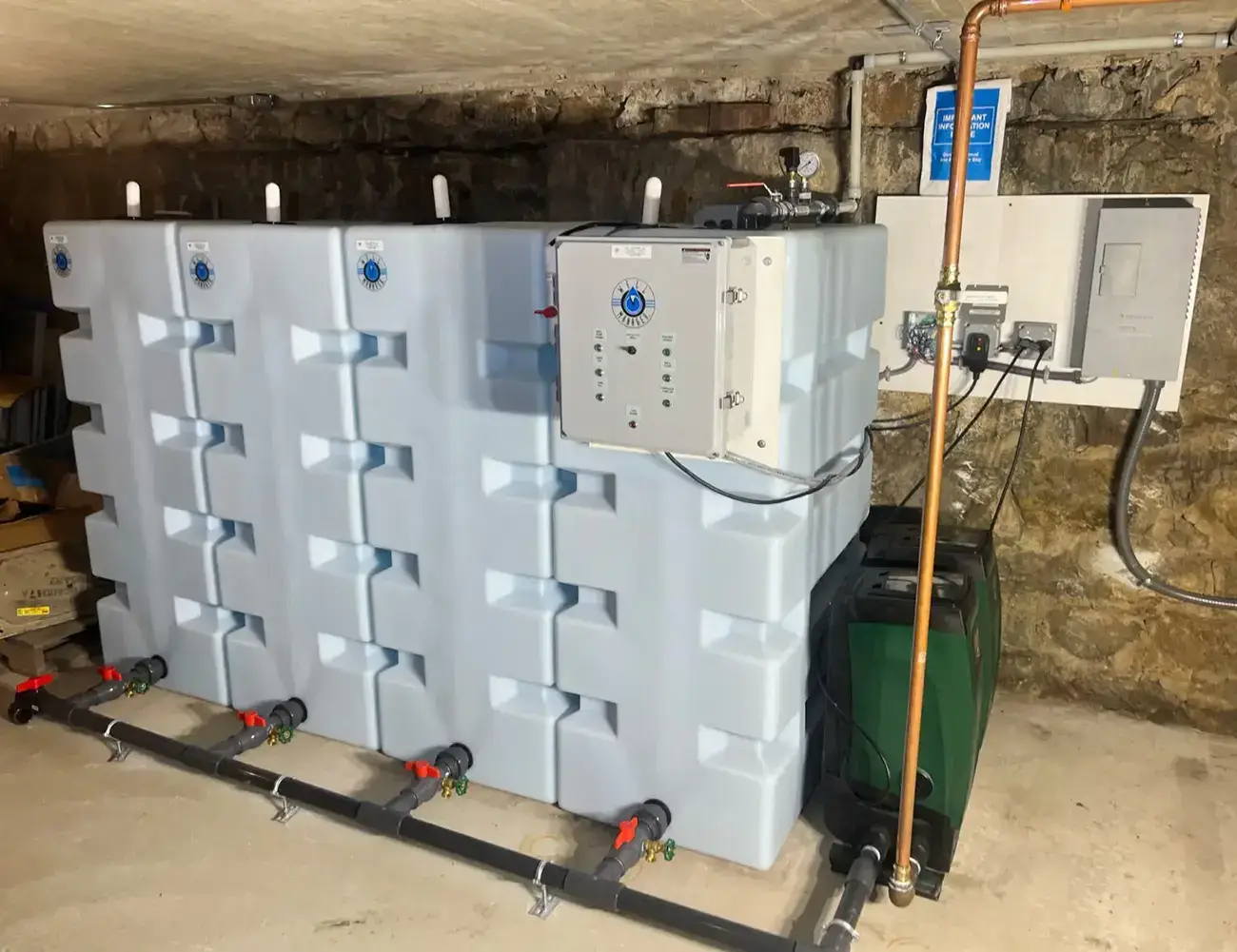
A booster pump should be installed where it can draw from the right water supply. In storage-based systems, that usually means after the tank or stored supply, because the pump is meant to deliver water the system has already collected. Depending on the pump and layout, it may be installed inside the tank, on the tank, on the floor, or on the wall. The physical mounting location matters, but the more important question is what the pump is pulling from.
The cleanest way to think about placement is by matching the pump location to the supply behind it.
| System Setup | Better Booster Location | Installation Logic |
| Adequate water supply with weak delivery pressure | Pressure-delivery side of the system | The pump improves pressure from water already available |
| Low-yield well with stored water | After the tank or stored supply | The pump draws from collected water instead of demanding more from the well |
| Booster pulling from the pressure tank or well in a low-yield setup | Usually the wrong location | The pump may keep heavy demand on a source that cannot keep up |
| Home with no usable reserve during peak demand | Storage should be addressed before pressure-only boosting | The pump needs available water before it can improve pressure |
| Dry well, collapsed well, or failed well pump | Not a booster-first situation | The source or pump issue has to be handled before pressure boosting matters |
A good booster location supports the system instead of fighting it. If water is already available and the home only needs stronger delivery, the booster can be part of the pressure side of the system. If the well produces slowly and the home depends on stored water, the booster usually needs to work from that stored supply. The installation question is not just “Where can the pump fit?” It is “Where can the pump draw from a supply that can support the pressure the home needs?”
The Right Location Depends On What the Pump Draws From
The pump’s location and supply source are the same decision. A booster pump drawing from stored water is doing a different job than one pulling directly from the well side. When stored water is available, the pump can help deliver that reserve to the home at usable pressure. When stored water is unavailable, the pump may ask the well to meet demand in real time.
That difference matters most in low-yield well situations. A well may still produce water, but not fast enough to keep up with showers, laundry, toilets, irrigation, or several fixtures at once. Connecticut safe-yield guidance separates pressure tanks from atmospheric storage tanks with booster pumps in certain low-yield planning situations, which is useful because it treats storage and boosting as different jobs. The practical point is that a booster can support stored water, but it should not be expected to create water the well has not produced. For low-yield wells, the safer installation approach is usually to collect water first and boost from the existing supply.
This is also where the most common field mistake starts. If the booster pulls from the pressure tank or the well itself when the real issue is yield, the system may keep heavy demand on the well. The homeowner may feel stronger pressure briefly, but the underlying problem has not changed. The system is still asking the well for water faster than it can provide it. In that setup, pressure problems are not solved as much as they are delayed and then intensified.
What Size Water Pressure Booster Pump Do You Need?
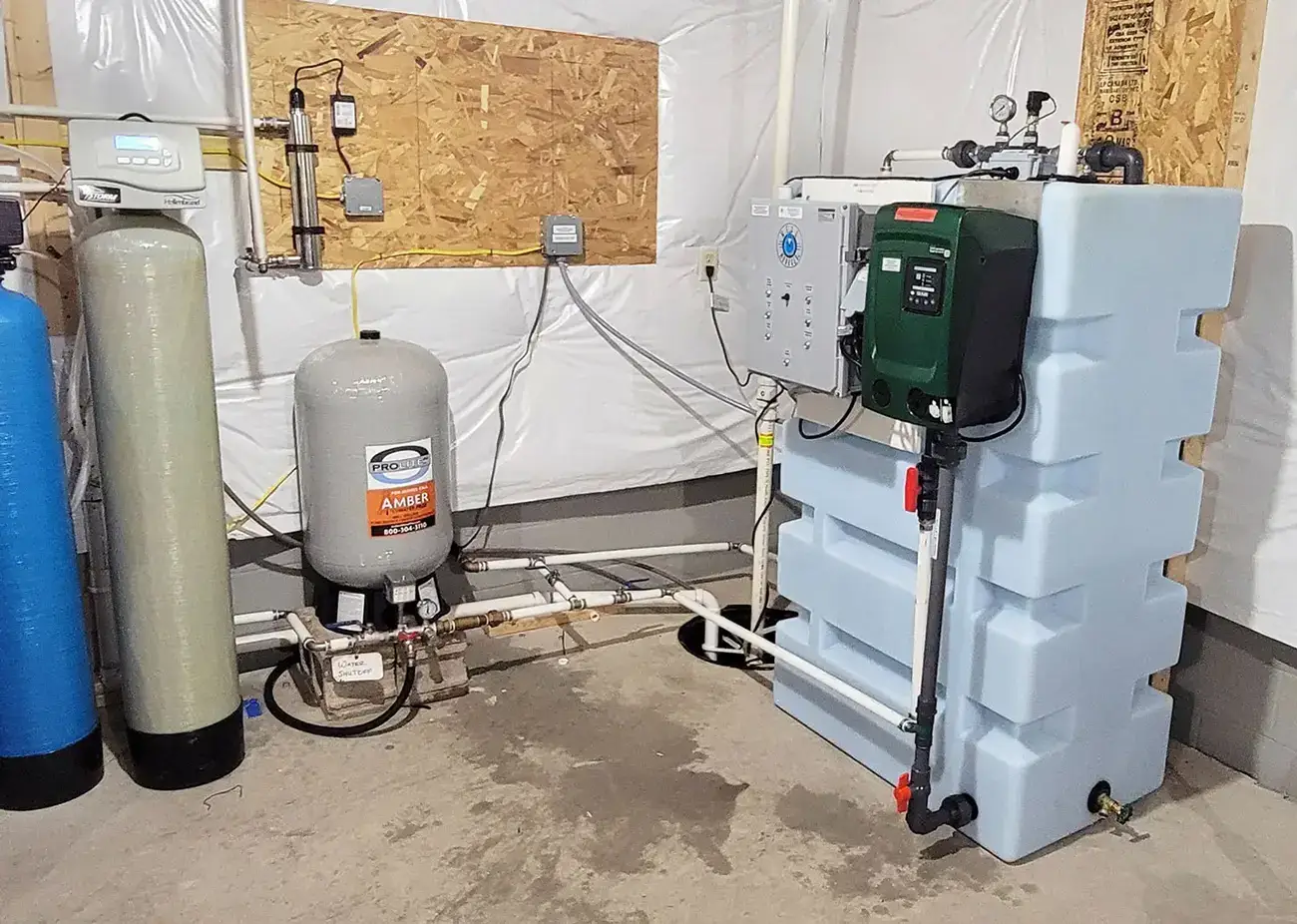
The correct booster pump size depends on the work the pump must perform. A small home with normal indoor use does not have the same demand as a larger home with multiple bathrooms, several stories, irrigation, a workshop, a barn, or an extra apartment. The pump has to match the amount of water being used, where the water has to travel, and the pressure the home needs at the fixtures. Bigger is not automatically better because a stronger pump can still be wrong if the available supply and system layout do not support it.
Arizona Extension’s private well component guidance helps ground this sizing decision. It explains that pump type and size depend on required capacity, location, operating conditions, and total head. That matters because distance, elevation, friction, and use conditions all change what the pump must overcome. A booster pump that looks powerful on a product sheet can still underperform if those conditions are not included. The right size is the one that meets the home’s actual demand and the pump’s available supply.
Well Manager asks about home size and water demand for that reason. Bathrooms, bedrooms, number of stories, and household water use all affect the recommendation. Added demands can further complicate the sizing conversation, especially when water has to reach barns, irrigation zones, gardens, car-washing areas, workshops, pools, extra apartments, or fixtures far from the house. Features such as app-based or Bluetooth connectivity may matter to the homeowner, but those choices come after the core sizing requirements are understood. Convenience features cannot correct a pump that is undersized, oversized, or installed in the wrong location.
Information Needed Before Sizing a Booster Pump
A booster pump should be sized based on how the home actually uses water. The details are practical because the pump has to serve real fixtures, real distances, and real demand patterns. A pressure complaint by itself does not provide enough information. The better recommendation comes from understanding the home, the water uses, and the supply the pump will draw from.
Important sizing details include:
- Number of bathrooms and bedrooms.
- Number of stories in the home.
- Overall home size and number of people using water.
- Whether pressure is weak right away or only after demand builds.
- Existing storage, pressure equipment, and pump setup.
- Whether the booster will draw from stored water or from the well side.
- Outdoor uses such as irrigation, gardening, and car washing.
- Added structures such as barns, workshops, pool areas, or extra apartments.
- Distance from the house to added water-use points.
- Desired features such as app-based or Bluetooth connectivity.
These details prevent the sizing conversation from becoming guesswork. A home with one bathroom and no outdoor demand may need a very different setup than a larger property with long runs and several water-use points. The question is not only how much pressure the homeowner wants. The question is whether the pump can meet that pressure demand without outrunning the supply behind it.
Booster Pump Installation & Sizing Mistakes To Avoid
A water pressure booster pump must be installed in the right place and sized to match how the home actually uses water. If the pump pulls from the wrong supply, it can keep demand on a low-yield well instead of helping the home use stored water properly. If the pump is sized based on one weak fixture rather than the full water system, it may not match the home’s actual demand, distance, elevation, or available supply.
Before choosing a booster pump, it helps to look at the two mistakes that cause the most problems: placement mistakes and sizing mistakes.
Learn ABOUT the Most Common Installation Mistakes
*The installation guide explains why the booster should draw from the right supply, especially when stored water is part of the system.
Learn ABOUT the Most Common Sizing Mistakes
*The sizing guide explains why bathrooms, bedrooms, stories, outdoor uses, added structures, distance, and core system requirements matter before pump features are considered.
Talk to Well Manager before You Size or Place the Pump
The right water pressure booster pump installation starts with two decisions: where the pump draws from and what size the system can support. If the booster is installed in the wrong location, it may maintain demand on the well rather than support stored supply. If it is sized based on symptoms rather than actual demand, it may miss the pressure problem or create a new one. Well Manager can help review whether the reported situation points toward pressure support, stored-water delivery, or storage plus re-pressurization. On-site verification, pump repair, plumbing work, code requirements, and installation should be handled by the appropriate local professional. The goal is to choose a booster setup that fits how the home uses water and how the water system can actually supply it.