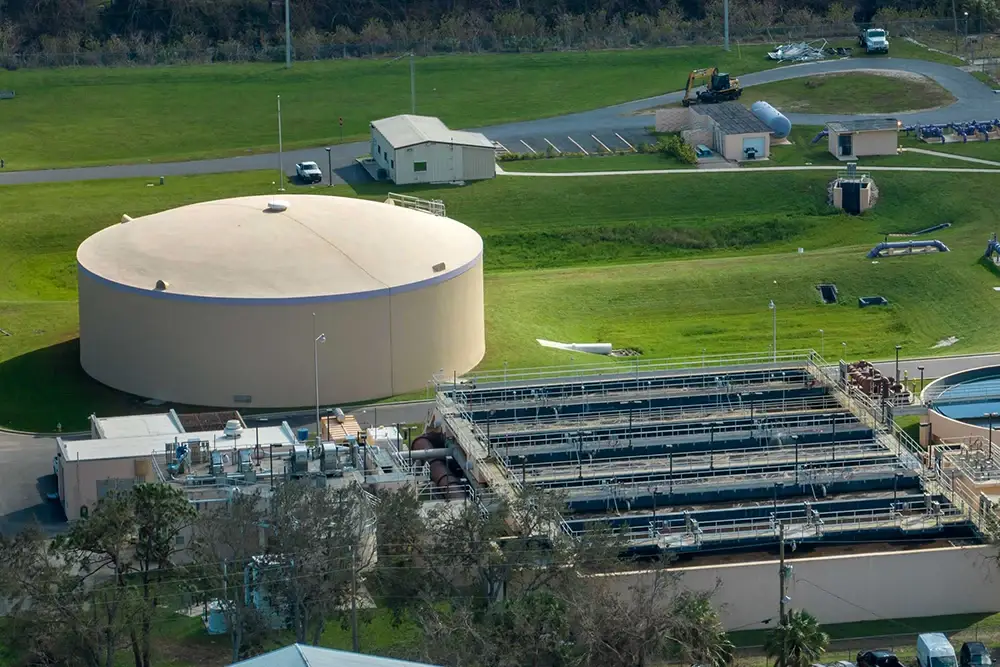
Artificial intelligence can feel like a world of algorithms and code, but the servers that power it still live in the physical world. Many people question whether the AI boom could put pressure on private wells and low yield systems.
The answer arrived in Amarillo. City leaders approved a long term contract with a developer to supply millions of gallons of groundwater per day for an AI and energy campus. The debate focused on pricing and transparency, but the agreement itself represents a shift: water that was once pumped as needed is now allocated on paper for decades. Unfortunately, this is causing homeowners to ask, “How to increase water pressure and yield?”
This is where Well Manager comes in.
Are AI Centers Creating Low Yield Wells?
At Well Manager, we pay close attention to these shifts. For more than 25 years, we have helped homeowners get the most out of their wells, and we know that when municipal demand becomes a fixture, private wells often feel the impact first.

Why Contracts Change the Risk Profile for Private Wells
Water use only becomes risky when it is continuous and legally protected. A municipal agreement guarantees supply to a large user regardless of seasonal conditions or population growth. The Amarillo contract dedicates groundwater from the city’s well fields to a single facility with limited options to reduce deliveries. Even if daily volumes are capped and drought plans exist, the baseline withdrawal remains. Research by the Oregon State University Well Water Program notes that aquifers respond slowly to sustained pumping: water levels decline over years, recovery takes longer, and wells begin to interfere with each other. By the time a homeowner notices a pressure drop, the imbalance may already be substantial.
Why Private Wells Feel the Impact Before Cities Do
Cities have multiple wells, large storage tanks, and teams that monitor water levels. Private wells are often single points of failure. When regional pumping increases, a municipal utility can shift demand among wells, deepen intakes, or upgrade equipment. A homeowner cannot. The University of Nebraska–Lincoln Extension explains that pressure tanks smooth short bursts of demand but cannot deliver more water than the pump is rated for. When the well recovers slowly, pressure will drop regardless of how large the tank is. In practice, low yield wells – those that produce less than a gallon per minute – are often the first to experience pressure loss or air in the line when regional conditions tighten.
The Hidden Danger of Treating Low Water Pressure as the Problem
It is tempting to address low pressure by increasing the pump speed or installing a larger unit. Without addressing the recovery rate, that strategy can accelerate over pumping. Guidance from the National Ground Water Association notes that constant pressure valves and variable speed pumps maintain even household pressure by matching output to demand. However, if the well cannot recover quickly enough, any increase in withdrawal creates a cone of depression around the borehole, lowering water levels and reducing yield further. Aggressive pumping is especially risky when a large neighbor – be it a city, factory, or data center – has a contractual right to pump continuously.

Why Resilience Matters More Than Prevention at This Stage
Early in the AI build out, it made sense to ask whether data centers would affect local water supplies. Now that cities are signing agreements, the question is how private wells can remain functional as demand becomes less flexible. Resilience is not about stopping growth; it is about ensuring that a household system can deliver steady pressure while respecting the well’s natural recovery.
At Well Manager, we see resilience as threefold:
- Monitor recovery, not just output.Track how quickly your well refills after heavy use. A slow recovery signals that the aquifer is under strain and that withdrawal should be reduced.
- Store responsibly.Large tanks do not create water; they provide a buffer. Storage should be paired with a collection that “sips” from the well, allowing it to recharge between cycles. Systems that manage collection and pressurization separately avoid drawing the well down when your household demand peaks.
- Control flow intelligently.A variable speed pump paired with a smart intake can maintain even pressure without overworking the well pump or the aquifer. As experts at the National Ground Water Association observe, adjusting pump speed to match demand reduces energy use and prolongs equipment life.
What the Amarillo Agreement Suggests About the Future
The Amarillo case will not be the last. As AI infrastructure expands, more local governments will formalize water access for large facilities. That does not mean private wells are doomed. It means the context has changed. Wells that have consistently performed adequately may need assistance as the region transitions from loosely managed pumping to contractual commitments. Long time water managers, including our team, expect more competition for the same resource; planning ahead is the only sensible response.

How Well Manager Solutions Support Resilience
The issues described above are precisely why we build the systems we do. Our products are not generic “boosters;” they are designed to work with the realities of low yield wells and shrinking margins.
- Well Manager®is built for wells yielding as little as 0.25 gallons per minute. It gently collects water at a controlled rate, with adjustable rest periods and a smart control panel to monitor conditions. Water is stored in a 210 gallon tank and delivered to the home via a variable frequency pump. Overfill shut off and run dry protection help prevent damage to your pump and aquifer, and the system can be installed in vertical or low profile configurations to suit your space.
- Well Watcher™serves wells with recovery rates of roughly one gallon per minute or more. Instead of drawing directly from the well, it collects water from your existing pressure tank using a float controlled ball valve. A digital flow meter shows live intake, and an optional cycle sensor protects the pump. Like Well Manager, it stores water and uses a variable frequency pump for steady pressure.
- ConstaBoost™is our water pressure booster for homes on city or well water with chronically low pressure. It improves overall flow by combining fixed rate intake with a float controlled fill system, overfill protection, and a variable speed pump. ConstaBoost™ is compatible with municipal lines and well systems, making it a versatile solution when pressure loss stems from distribution issues rather than yield alone.
These systems reflect our philosophy: protect the aquifer, store enough water to meet demand, and deliver it at steady pressure without over pumping. Whether you face long term industrial competition for water or a single dry season, the principles remain the same.
Practical Steps Aligned to Boost Low Water Pressure
Preparation is less about buying equipment and more about aligning your actions with what the well can sustainably provide. Here are practical steps to consider.
- Document well behavior.Keep a log of static water level measurements and pump run times. Trends matter more than any single reading.
- Avoid reactive upgrades.Do not install bigger pumps or raise pressure settings without confirming that the well can support the additional draw. Consult a professional who understands low yield wells.
- Plan for storage and control.If your well is marginal, evaluate systems that separate collection from delivery. Storage, along with controlled intake, can help you ride out peak demand and drought conditions.
- Engage locally.Follow municipal planning discussions, especially those involving large water users. Public input can influence contract terms such as caps, monitoring requirements, and drought contingencies. Transparency benefits everyone.
The Real Takeaway for Low Yield Wells
The Amarillo contract demonstrates that AI driven water demand is no longer speculative. When groundwater allocations become long term commitments, households on private wells must adapt. Resilience comes from understanding your well’s recovery, storing water thoughtfully, and using technology to maintain pressure without stressing the aquifer. At Well Manager, we have spent decades helping homeowners achieve that balance.
Our systems do not create water, but they do make the most of what your well can sustainably provide. As new users move into your watershed, that balance becomes more important than ever.