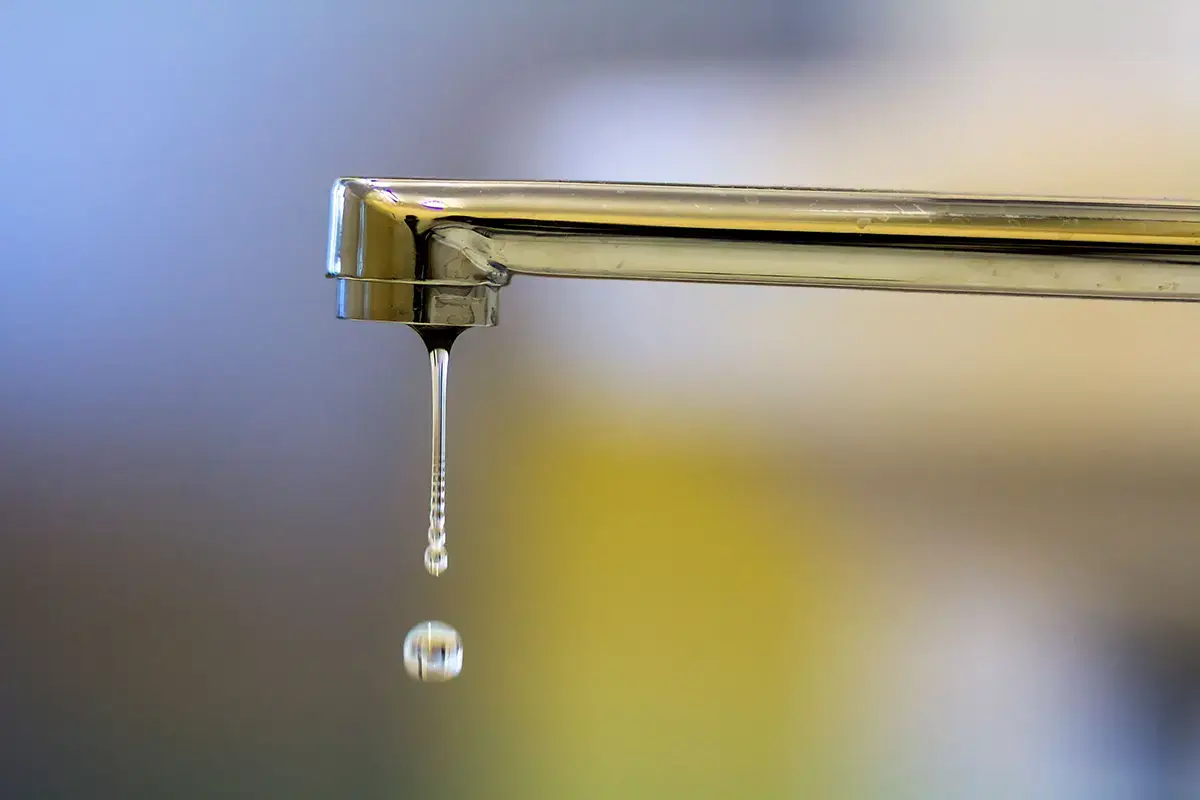
There is a moment when every well owner notices the shift. The water still runs, but something feels off. The faucet hesitates. The shower softens. The hose that once sprayed across the garden now only drips at your feet. It feels like the well itself is giving up, but the truth lives closer to home. Pressure rarely fades underground. It fades in the pumps, tanks, and pipes that keep the system breathing.
Pressure defines comfort. It makes a home feel alive. When it drops, the entire rhythm of life changes. The sound of a steady stream gradually transforms into a slow hiss. Rinsing, cleaning, and even bathing become work. Yet pressure loss is not a mystery. It is a chain reaction that begins small and grows with neglect. The fix always starts with understanding where that chain broke.
Why Pressure Drops
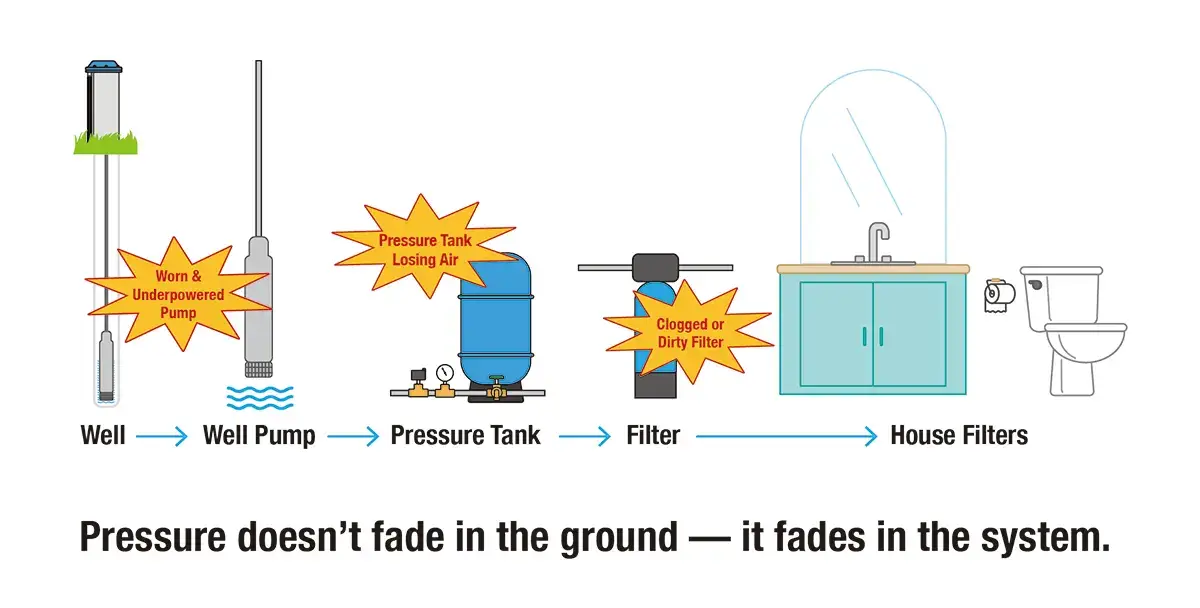
Water pressure weakens when balance disappears. Pumps tire. Tanks lose air. Filters fill with sediment that chokes flow. Pipes shrink from buildup that is invisible to the naked eye.
Penn State Extension’s “Water System Basics” explains that every well relies on cooperation between the pump, the tank, and the piping. When one fails to keep pace, the entire system sags. That sag is felt everywhere—from the kitchen sink to the outdoor spigot.
Pressure loss creeps in quietly. One day, the washing machine takes longer to fill. Then the shower struggles to rinse shampoo. These are not random frustrations. They are early warnings that the system is falling out of rhythm.
Maintenance Creates Pressure
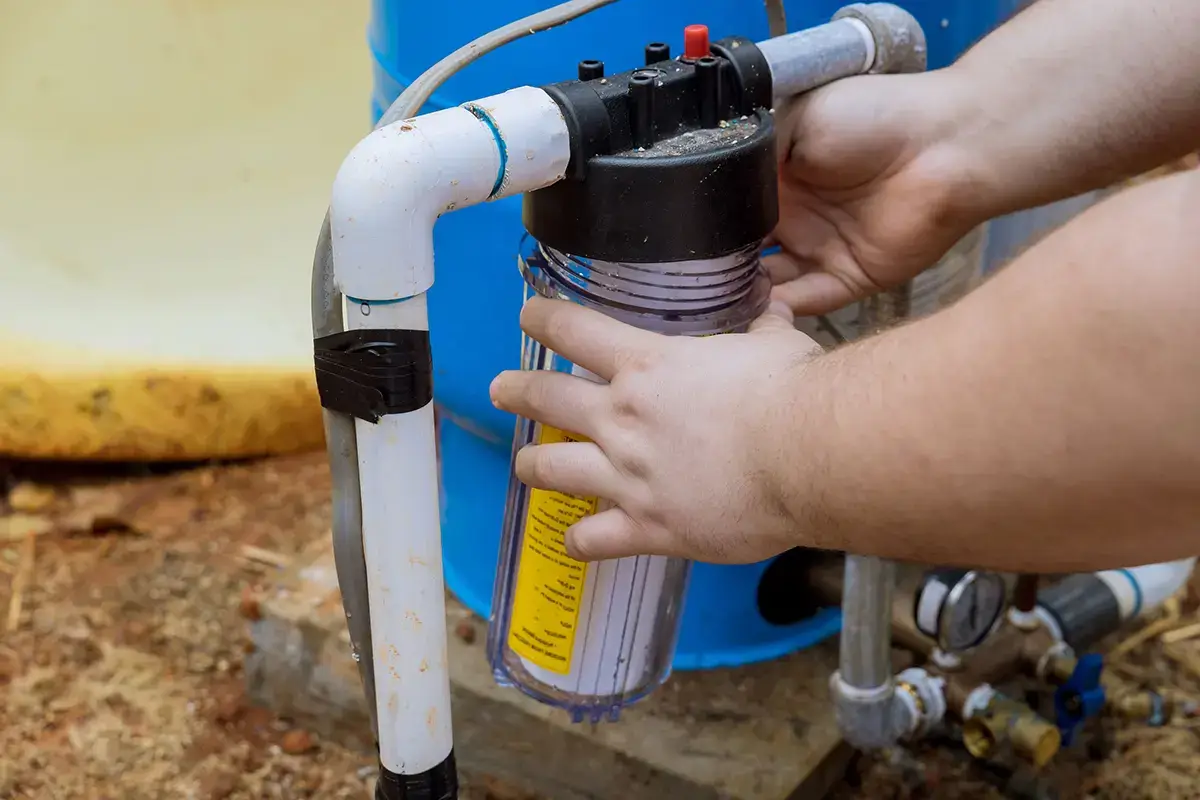
Most pressure problems don’t start with the well. They start with what’s forgotten. Filters overdue for replacement. Pressure switches corroded by age. Tanks that have lost calibration. Each small oversight adds resistance.
The Michigan Department of Environment, Great Lakes, and Energy, in its Water Well Construction and Pump Installation Code, notes that most systems operate best between 40 and 60 PSI. That range isn’t random—it’s the point where flow and efficiency meet. When a switch is set too low or a tank loses air, the system falls short of its design. Restoring those numbers can feel like turning the house back on.
Maintenance isn’t a chore. It’s the heartbeat of pressure. Ensure you clean the filters, check the settings, and maintain the tank’s health. Small attention keeps big problems away.
When Maintenance Isn’t Enough
Some homes maintain everything, yet still experience weak flow. The system can’t move water fast enough to keep up. The answer isn’t deeper wells or bigger pumps. It’s smarter design. A water pressure booster restores control by adding the push a private well can’t provide on its own.
The University of Arizona Cooperative Extension, in its publication “Water Storage Tank Disinfection, Testing, and Maintenance” (2012), notes that secondary pumps balance water delivery without overloading the main well pump. This steady rhythm protects the system while delivering constant pressure throughout the home.
A well without a booster often surges—strong one moment, weak the next. A booster evens the pulse. Faucets respond instantly. Showers stay consistent. The entire system feels like it’s breathing again.

When the Well Can’t Keep Up
Sometimes the issue runs deeper than pressure. Some wells can’t produce enough water fast enough to meet demand. Even the best booster can’t create pressure without supply.
The Montana Department of Natural Resources and Conservation, in Water Well Drilling for the Prospective Well Owner (2019), explains that low-yield wells perform best when paired with storage. The concept is simple. The well pumps slowly into a tank. The tank holds that water, and a booster pump draws from it when needed. The system never rushes the well but always delivers full pressure to the home.
This pairing—storage plus booster—turns scarcity into consistency. It ensures water is always available, consistently strong, and always ready when needed most.
Real Pressure Is Planned
Strong water pressure doesn’t happen by luck. It’s built by balance. Pumps, tanks, and storage must work as one. When that harmony breaks, the result is hesitation at every tap.
A correctly sized water pressure booster, supported by proper maintenance and storage when necessary, returns that balance. It lets a well system deliver as if it were new.
Living with well water low pressure is not a condition to endure. It’s a sign that the system is waiting for attention. Pressure is not about force. It’s about design. When balance returns, water feels effortless again, and the home feels right.