RO Re-Pressurization System Features & Specifications
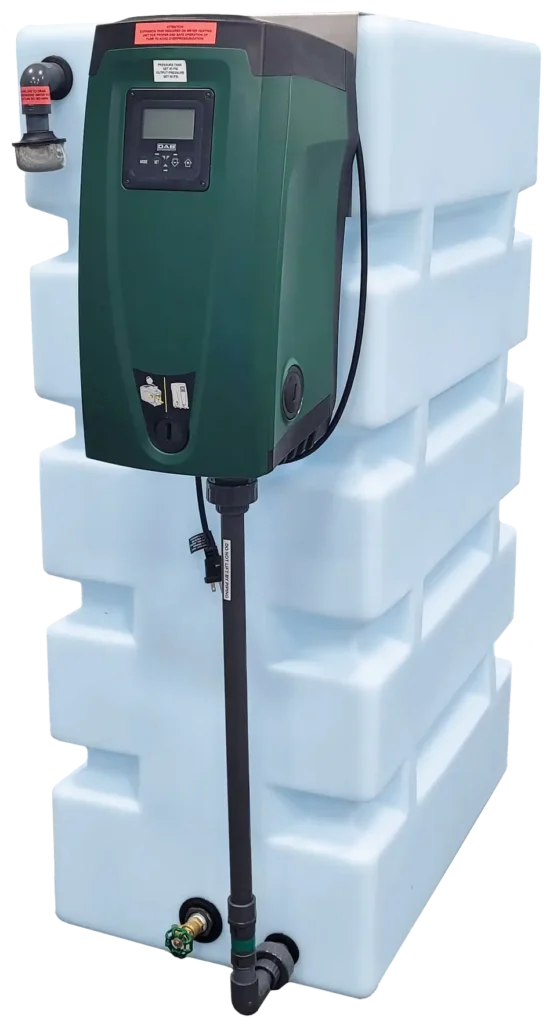
Explore the components, controls, tank configurations, pump options, and technical specifications that make up the RO Re-Pressurization system.
At-a-Glance System Specifications
- Water Source: Well or city water
- Collection Method: Passive fill from RO system
- Water Storage: 100+ or 210+ gallon tank options
- Tank Configurations: Vertical, Horizontal & Low Horizontal
- Pressure Delivery: Booster / VFD pump
- Standard Inlet: 1"
- Tank Level Control: High Float & Manual Overfill Protection
- System Voltage: 115V dedicated 15A circuit
- Pump Voltage: Electrical requirements vary by selected pump
- Standard Installation Location: After Reverse Osmosis Water Treatment
Need Help Choosing a RO Re-Pressurization System?
What Makes Up a RO Re-Pressurization System?
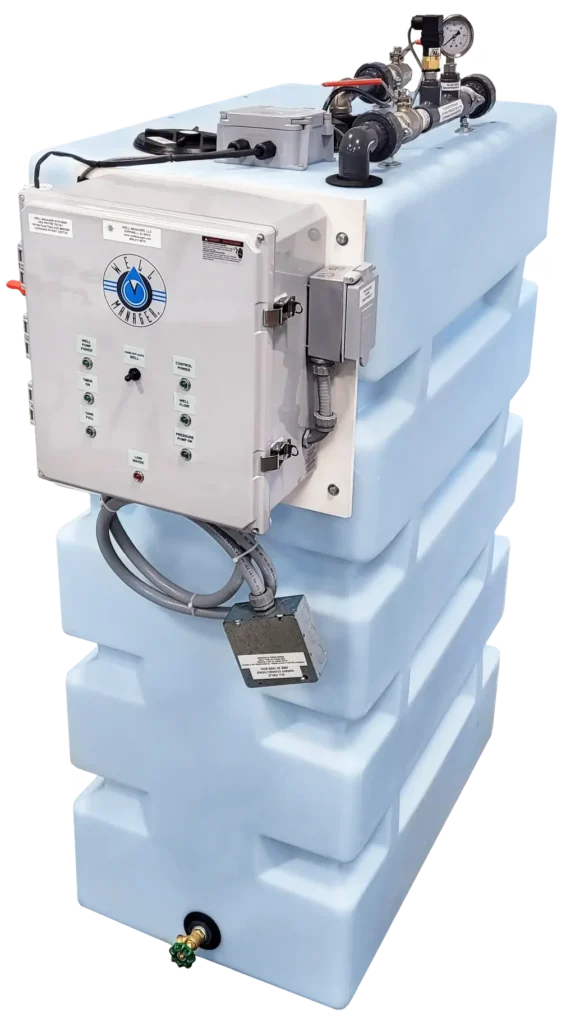
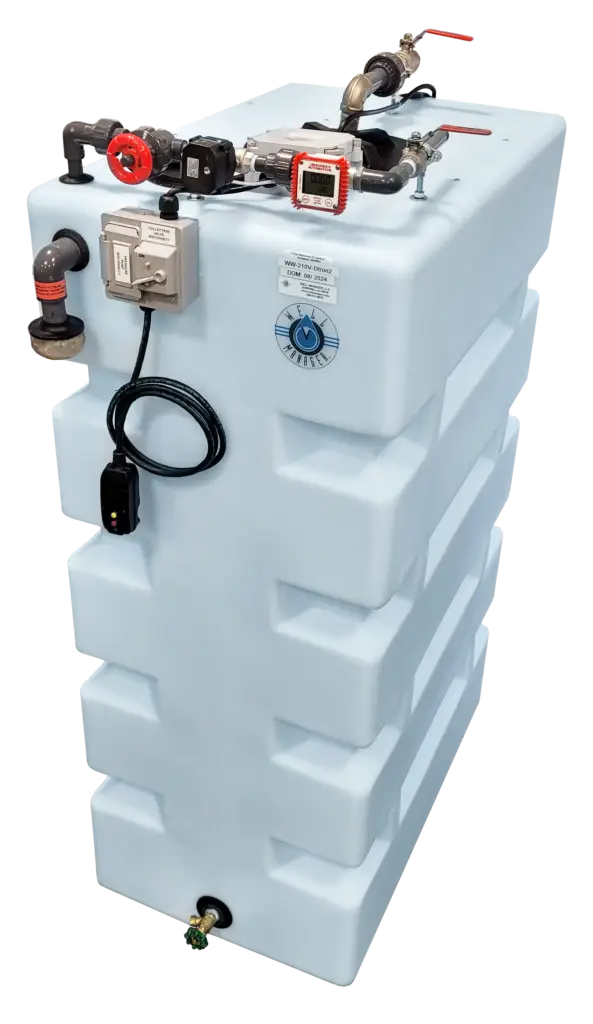
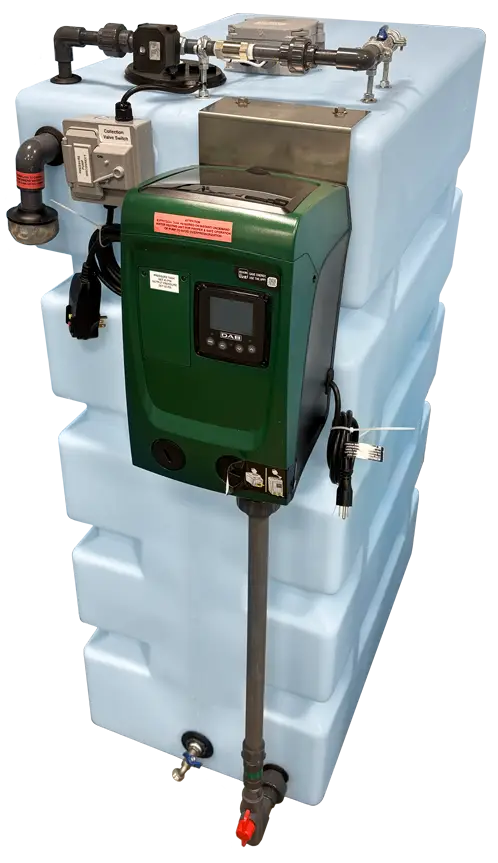
The RO Re-Pressurization System stores treated water produced by a reverse osmosis system and delivers it back to the home or building at usable pressure. Each component works together to manage stored RO water and provide pressurized water when it is needed.
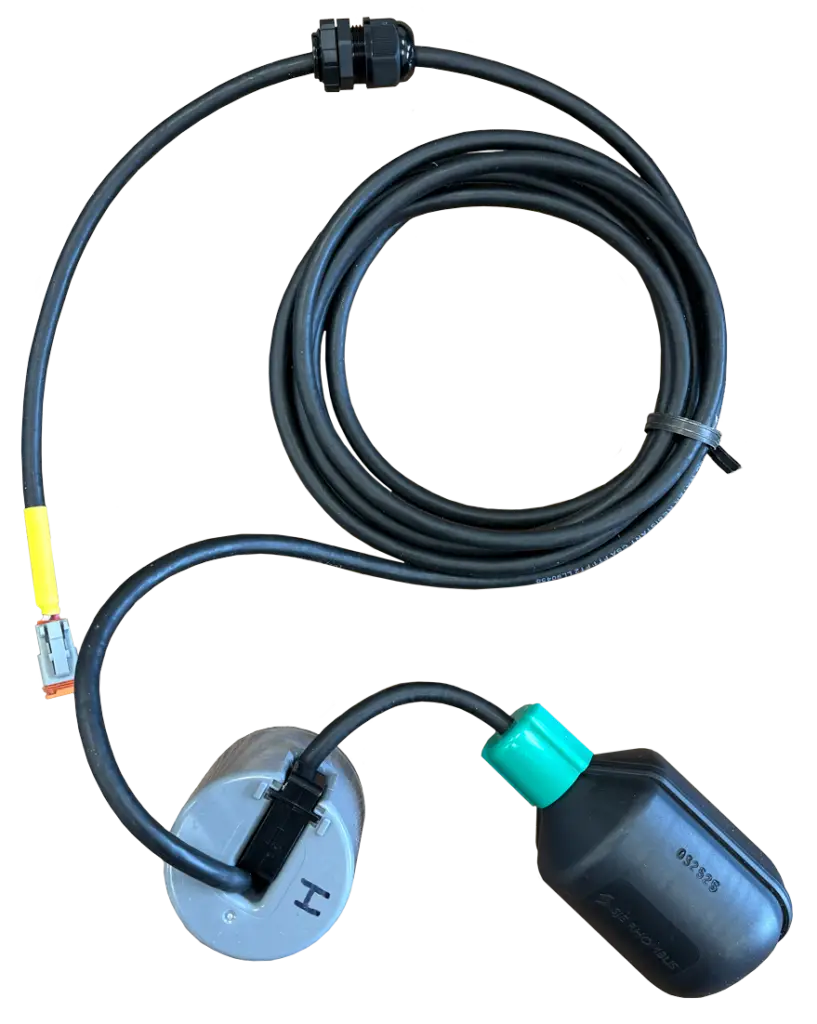
High-Level Float
Monitors the water level inside the storage tank and communicates with the RO control board when the tank reaches its full level, signaling the RO system to stop producing water.
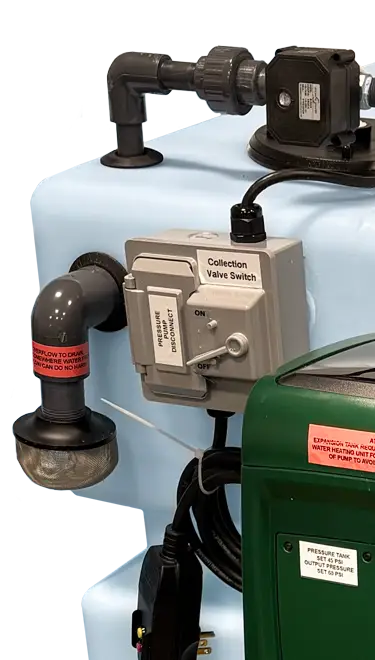
Mechanical Overflow
Provides an additional path for water to exit the tank in the event of an overfill condition.
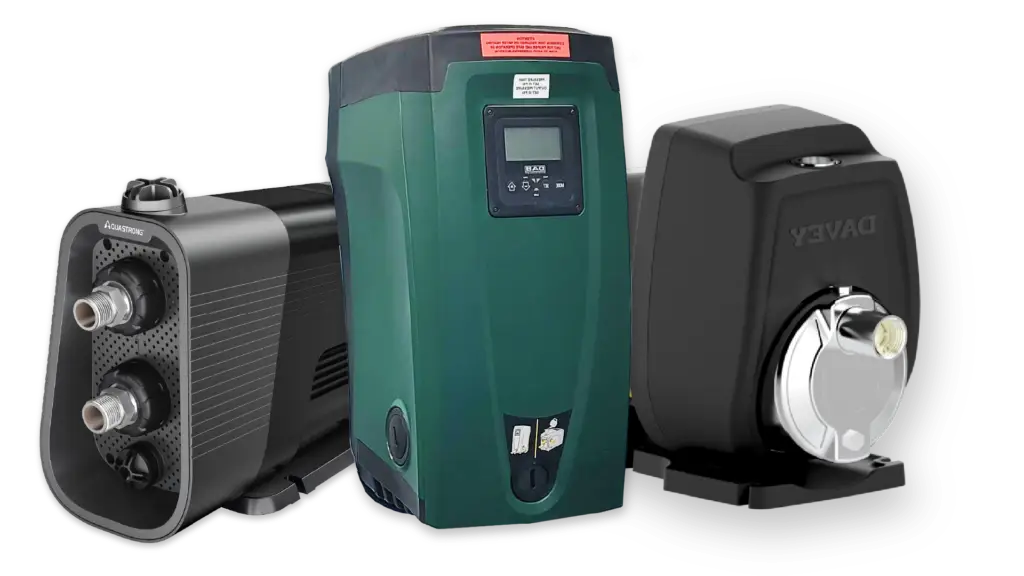
Pressure Pump
Draws from stored water and delivers consistent pressure and flow to the home or building.
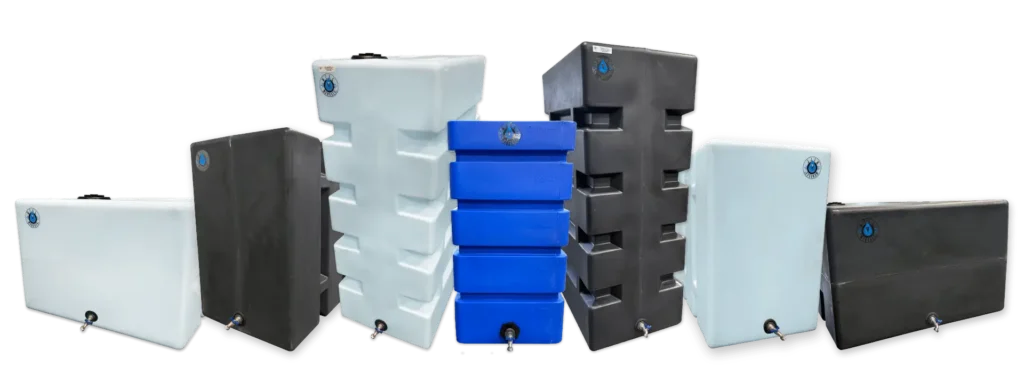
Water Storage Tank
Stores collected well water so household demand is separated from the well’s immediate production rate.
RO Water Storage & Level Control
Treated water from the reverse osmosis system flows into the storage tank, building a reserve that can be used throughout the home or building. The tank fills as the RO system produces water, allowing treated water to be stored and ready for periods of higher demand.
Automatic High-Level Control
A high-level float monitors the water level inside the storage tank and communicates directly with the RO system’s control board. When the tank reaches its full level, the float signals the RO system to stop producing water.
As stored water is used and the tank level drops, the RO system can resume production and begin replenishing the stored water supply.
Water Storage Options
Water Storage Designed Around Your Space
RO Re-Pressurization systems are available with multiple tank sizes and orientations to accommodate basements, utility rooms, garages, crawl spaces, and other installation areas.
Vertical 210 gallon
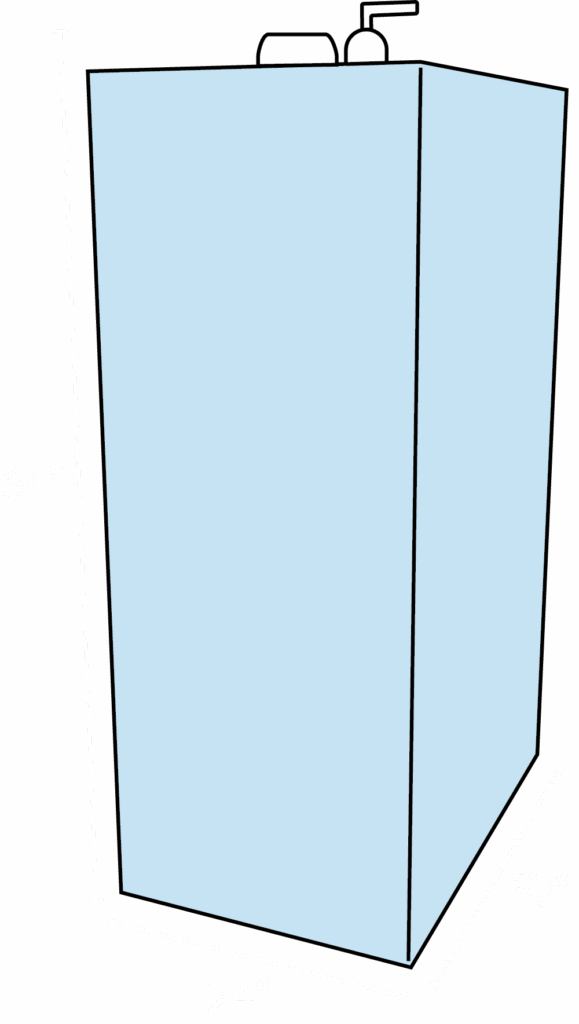
L37″ x W24″ x H64″
Effective Water Storage: 195gal
Horizontal 210 gallon

L60″ x W24″ x H42″
Effective Water Storage: 185gal
Low Horizontal 210 gallon

L60″ x W37″ x H28″
Effective Water Storage: 175gal
Vertical 100 gallon

L24″ x W24″ x H52″
Effective Water Storage: 90gal
Tank Construction
- Virgin polyethylene construction
- FDA-compliant resin for potable water storage
- Ribbed construction
- 16″ vented lid
- Installed tank fitting/spigot
- 20-gallon graduations
- Multiple orientations available
Need more information about tank construction, dimensions, colors, and configurations?
Pump Options for Your Water Demand
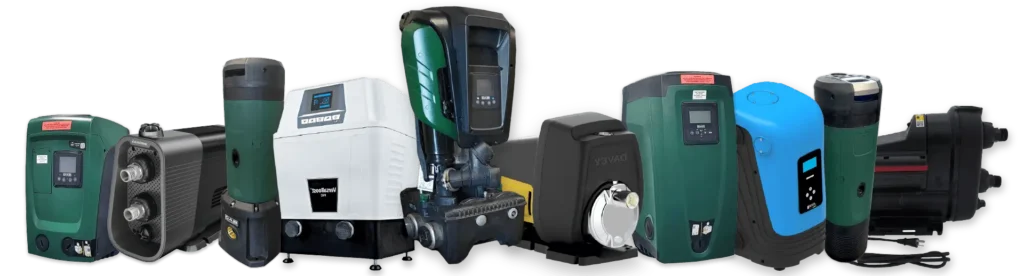
RO Re-Pressurization systems can be configured with different pressure pumps based on the required flow, pressure, electrical supply, application, and installation layout.
Bladder Tank Requirements
Installation Note: For best performance and to help prevent rapid pump cycling, install a bladder tank on the discharge side of the pump. DAB recommends sizing the bladder tank based on your pump’s normal peak flow:
- 2-gallon bladder tank – E.SYBOX Mini 3 (approximately 10 GPM)
- 4-gallon bladder tank – E.SYBOX, DTRON 2, and DIVER (approximately 20 GPM)
- 10-gallon bladder tank – E.SYBOX MAX (approximately 50 GPM)
With a Well Manager® system, the existing pressure tank can often be reinstalled after the system to serve as the bladder tank.
Where RO Re-Pressurization Fits in Your Water Line
Diagram highlights pre- and post-filtration recommendations for a complete setup.

Well
RO Filtration
RO Re-Pressurization
Home
Bladder Tank Requirements
Installation Note: For best performance and to help prevent rapid pump cycling, install a bladder tank on the discharge side of the pump. DAB recommends sizing the bladder tank based on your pump’s normal peak flow:
- 2-gallon bladder tank – E.SYBOX Mini 3 (approximately 10 GPM)
- 4-gallon bladder tank – E.SYBOX, DTRON 2, and DIVER (approximately 20 GPM)
- 10-gallon bladder tank – E.SYBOX MAX (approximately 50 GPM)
With a Well Manager® system, the existing pressure tank can often be reinstalled after the system to serve as the bladder tank.
Planning an installation?
See plumbing requirements, electrical information, diagrams, installation videos, and common installation questions.
Ready to Plan Your Installation?
From plumbing and electrical requirements to system placement, startup videos, and installation FAQs, our Installation Resources walk through what you and your installer need to know.

Replacement Parts & Long-Term Serviceability
Designed to Be Serviceable
Keep your RO Re-Pressurization system operating as intended with replacement components for maintenance, repairs, and long-term system care. Replacement parts are available for key RO Re-Pressurization components, including water collection, tank level control, monitoring, and other system hardware.
Looking for a replacement component?
Warranty & Support
Well Manager® systems are backed by product warranty coverage and ongoing support from our team. Individual components may have specific warranty terms based on the equipment included with your system.
RO Re-Pressurization System Warranty
RO Re-Pressurization system components are covered by a 1-year parts warranty, providing support for eligible component issues during the warranty period. More details come with RO Re-Pressurization Manual.
Pump Warranty
Pressure pumps are covered according to the applicable manufacturer’s warranty. Coverage and warranty length vary by pump model.
Questions about warranty coverage or replacement parts?
Want to Learn More?
Explore our products, compare solutions, or find answers to common questions.
Common Questions, Clear Answers
Learn More About Your Well Water
Explore expert articles on low water pressure, low-yield well solutions, well maintenance, seasonal changes, and current well water issues — all written to help you understand your system and protect your water supply.