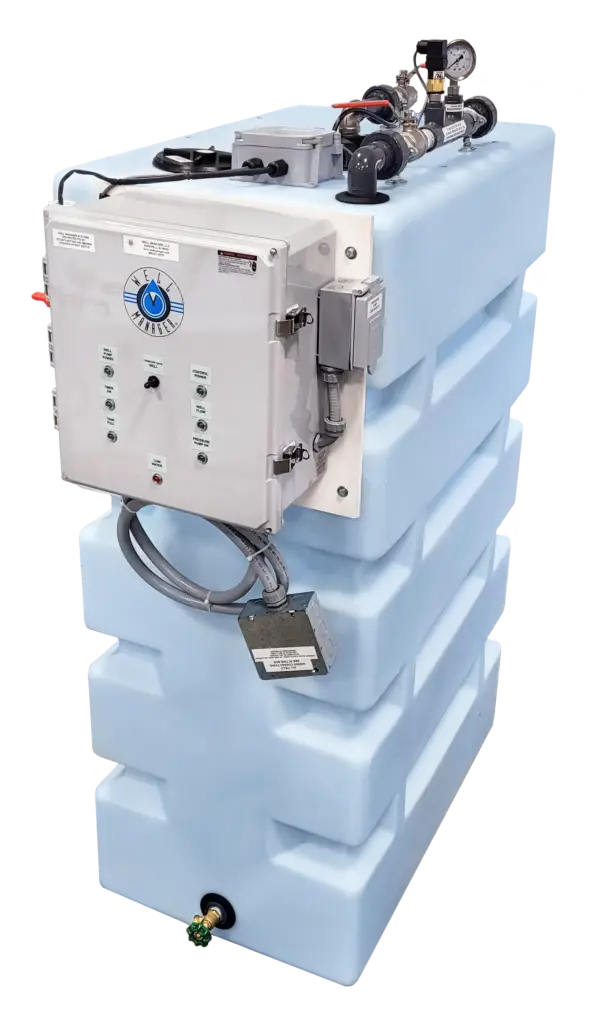
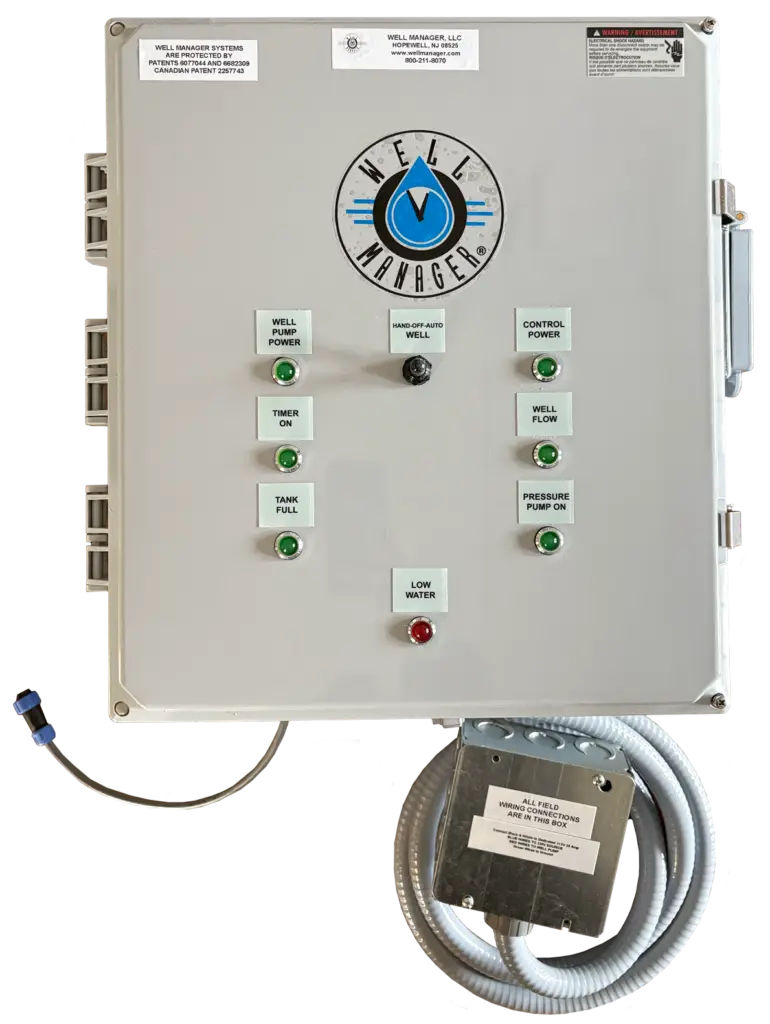
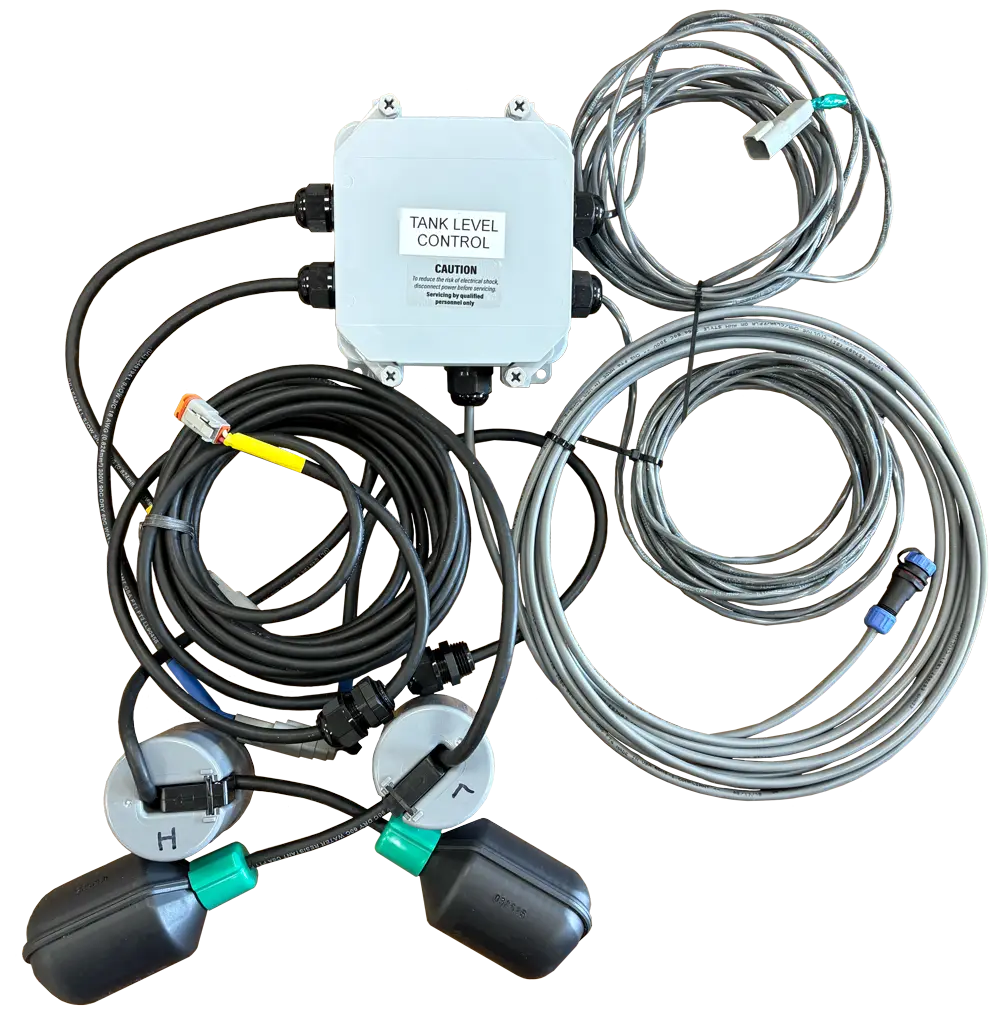
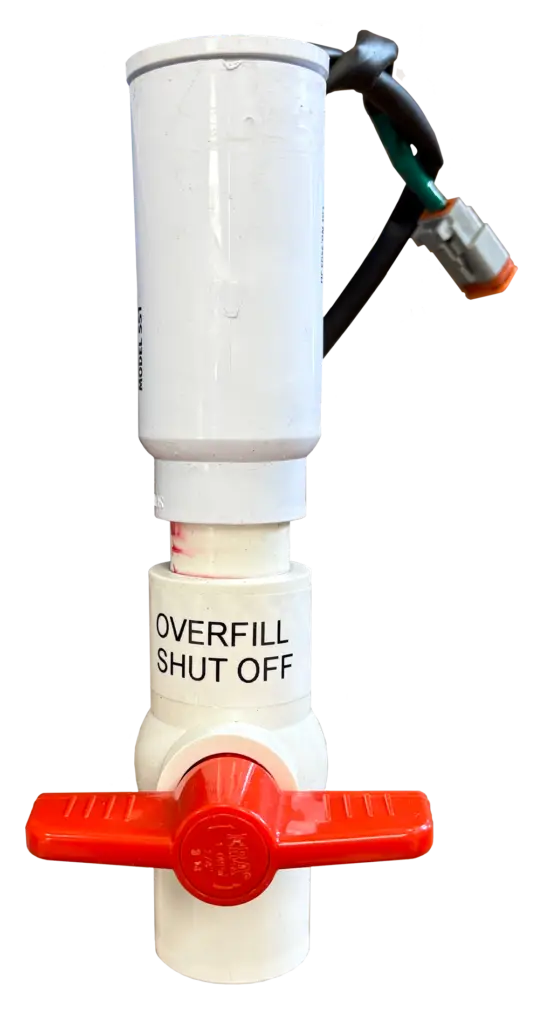
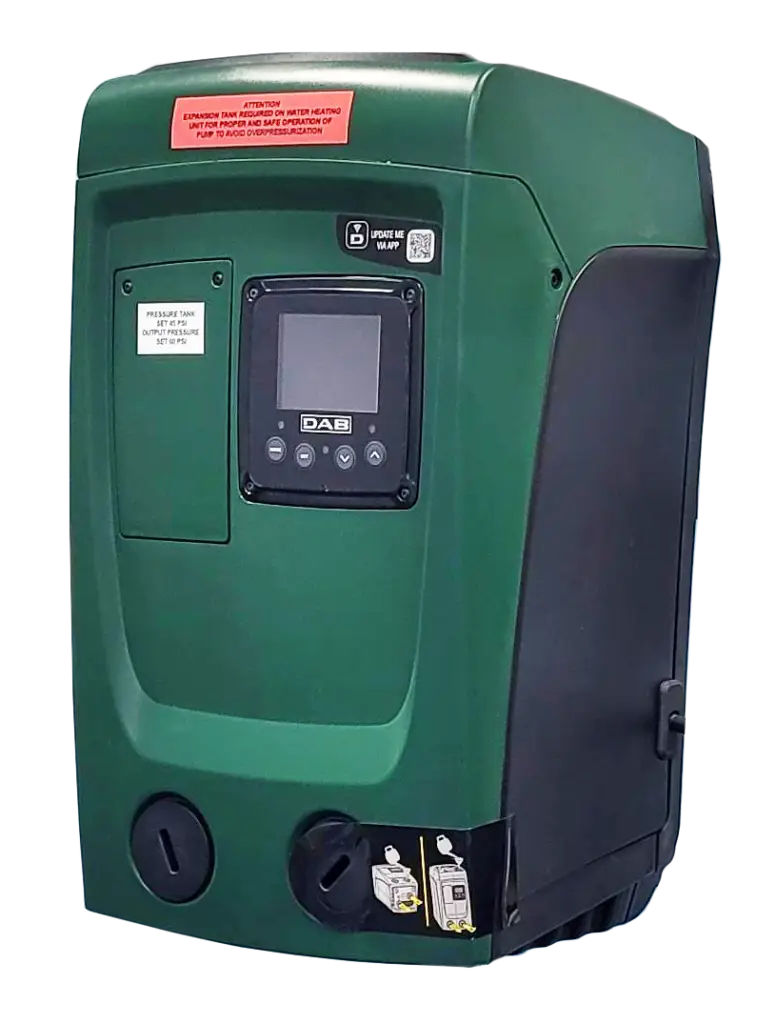
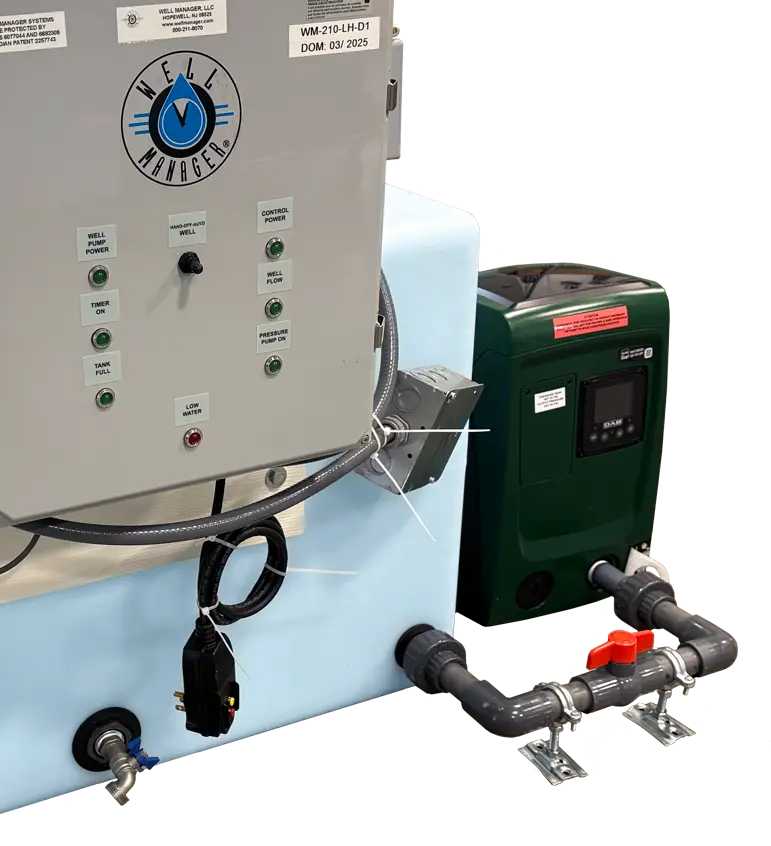
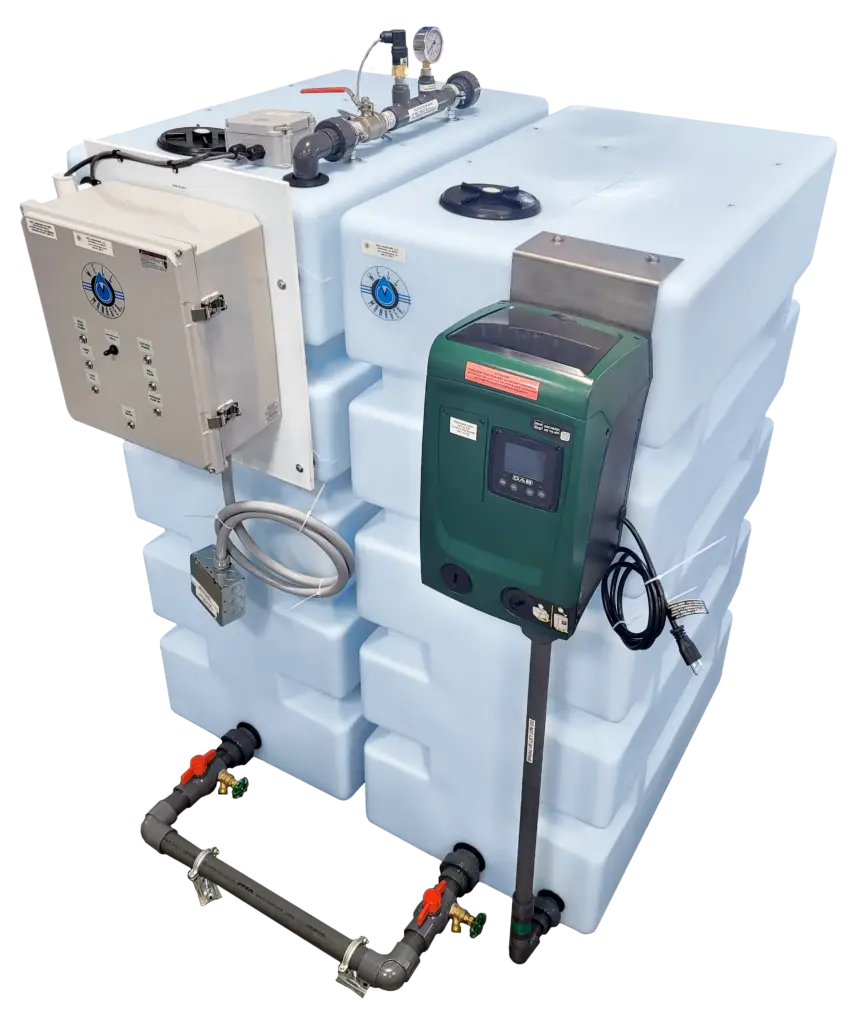
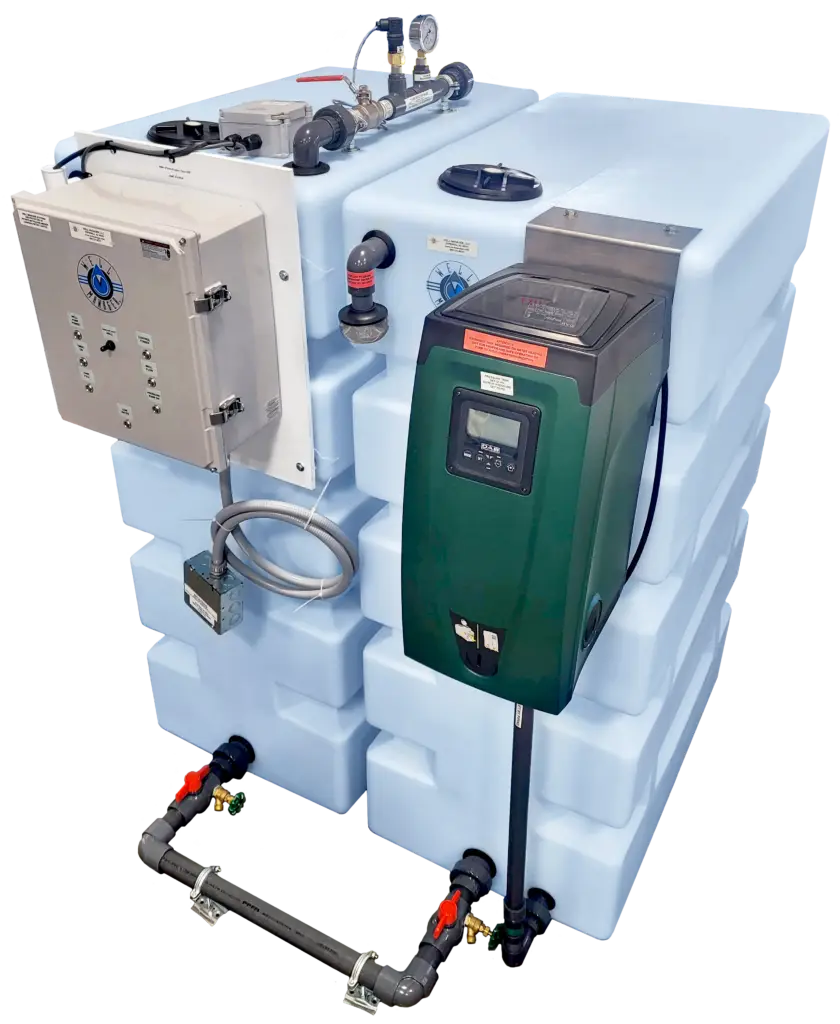
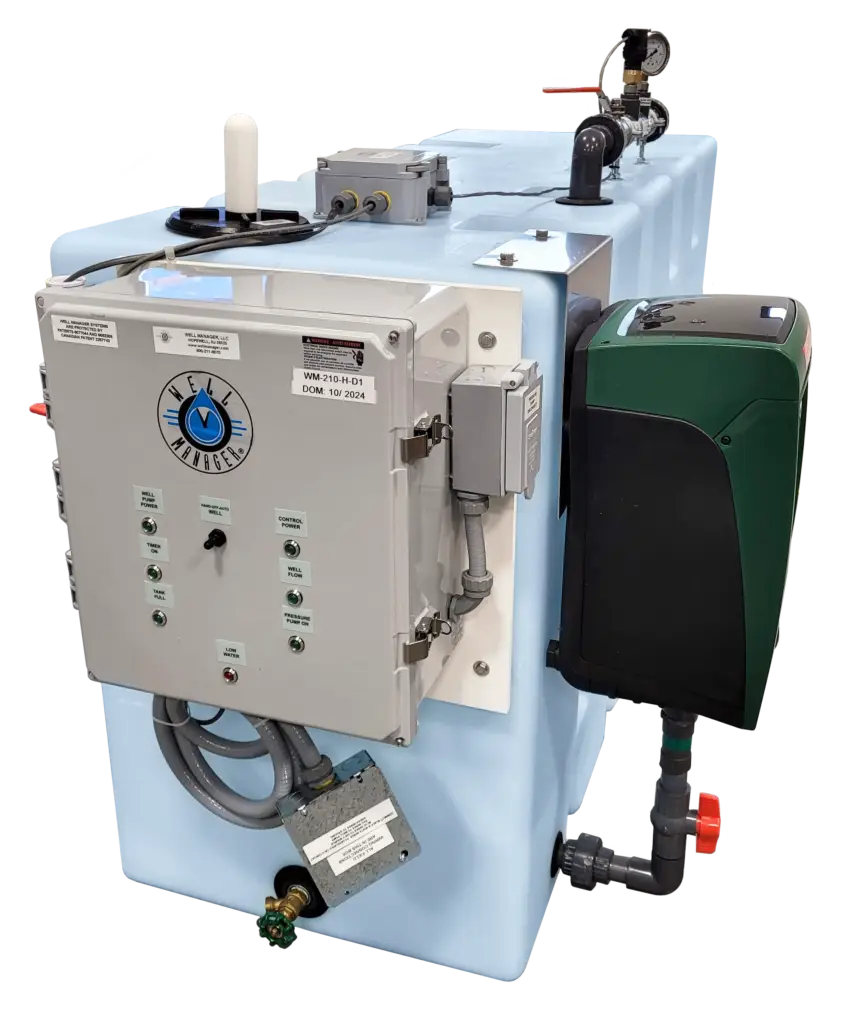
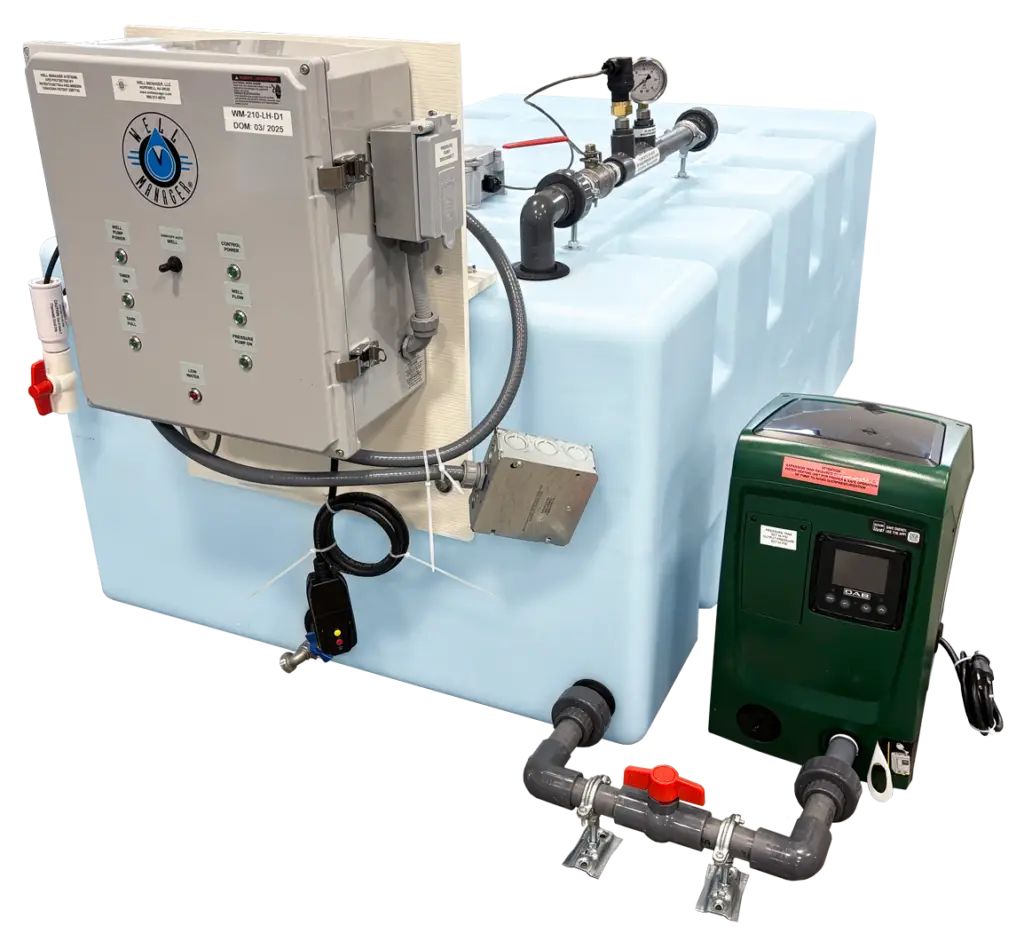
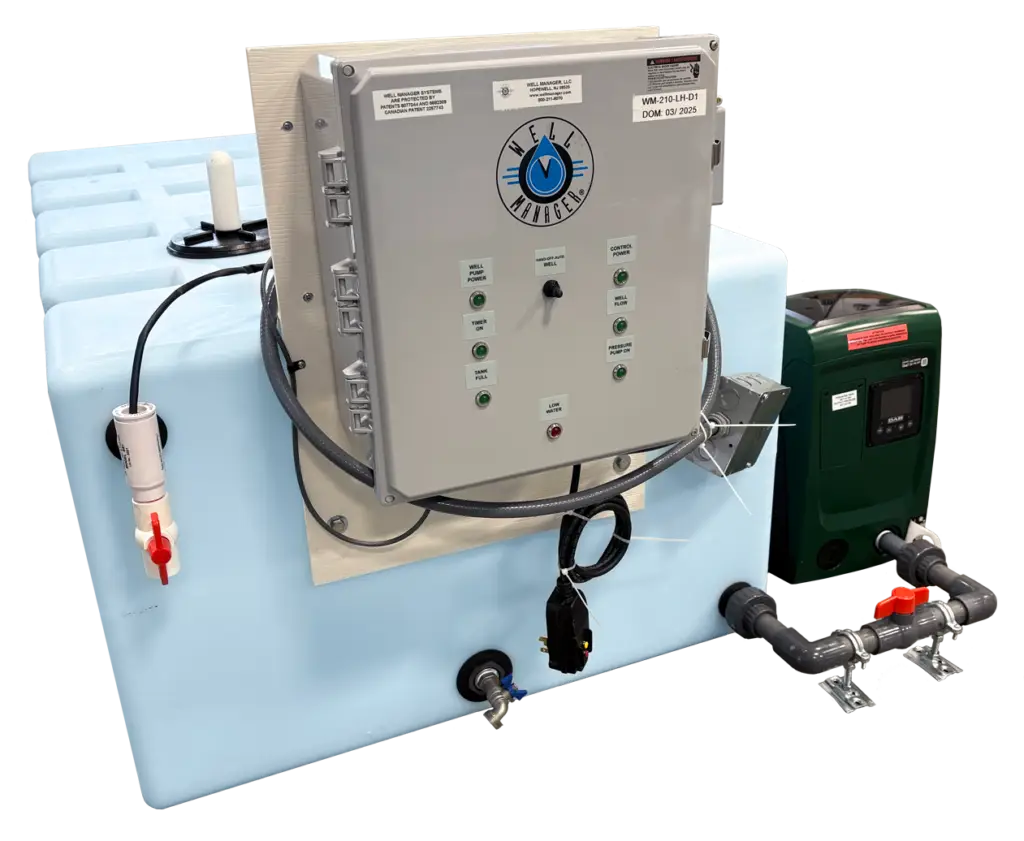
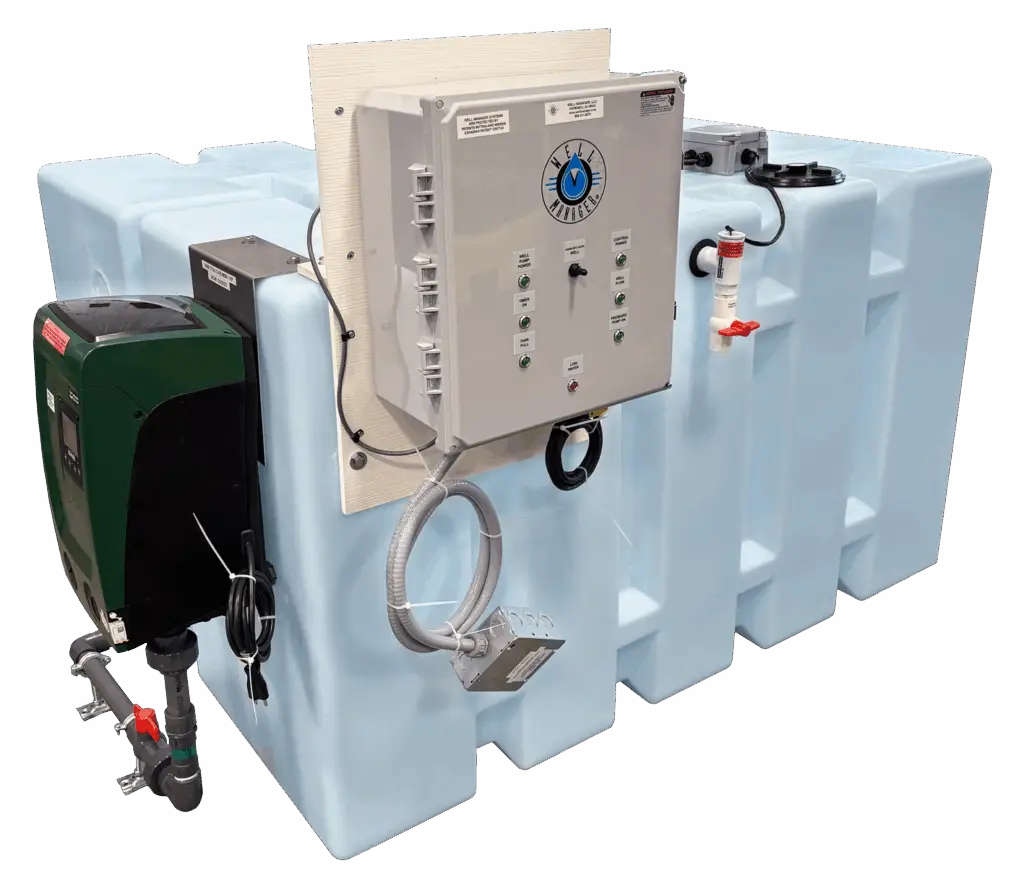
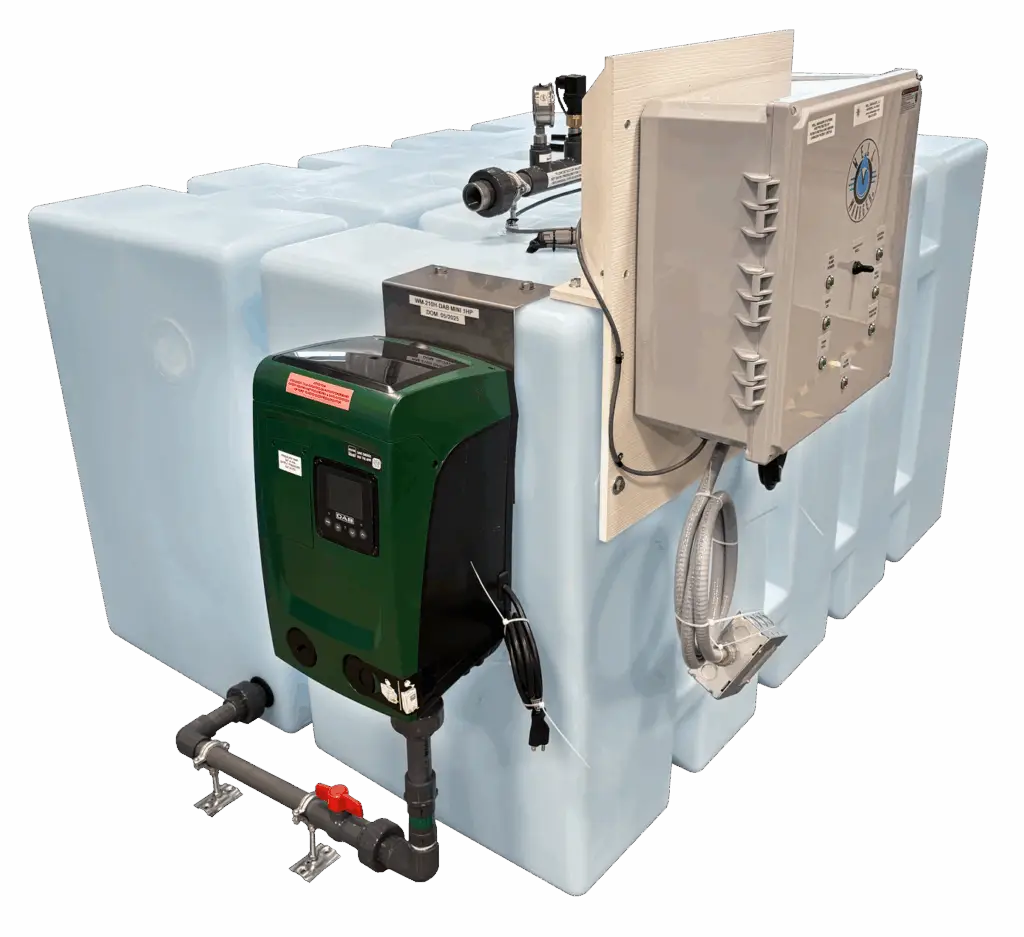
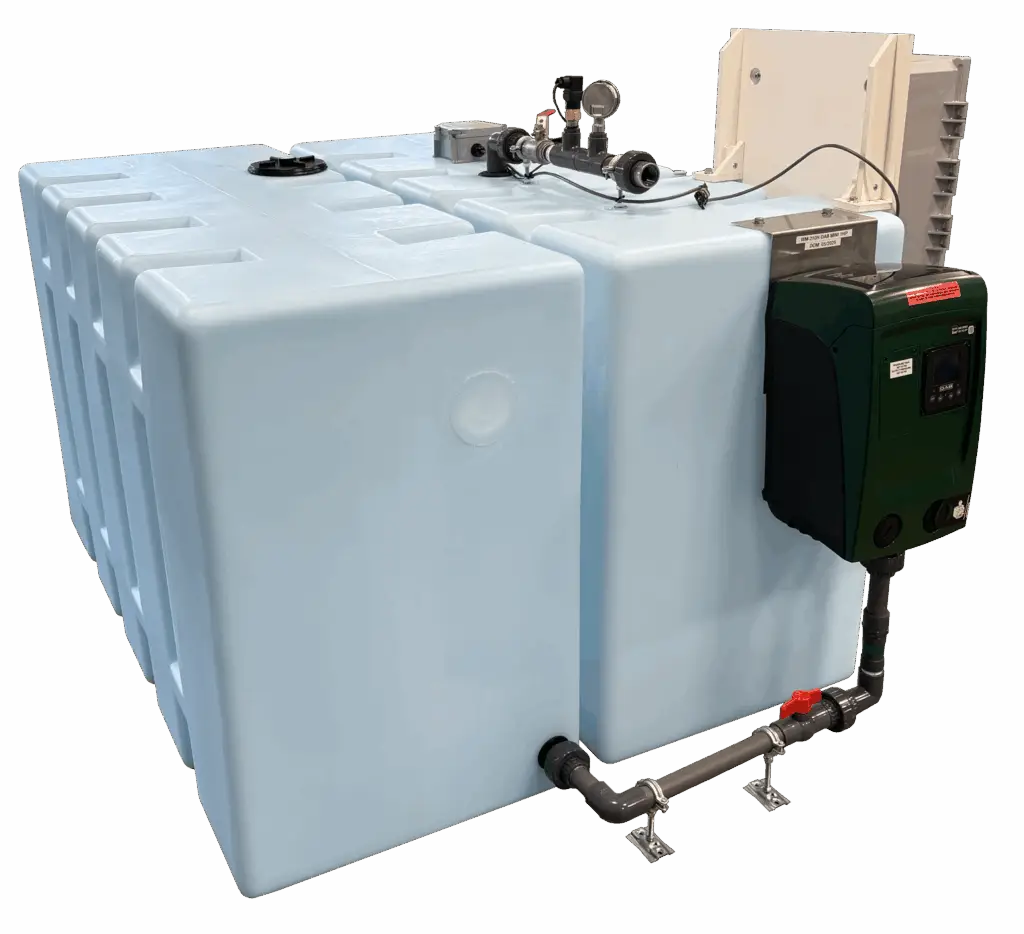
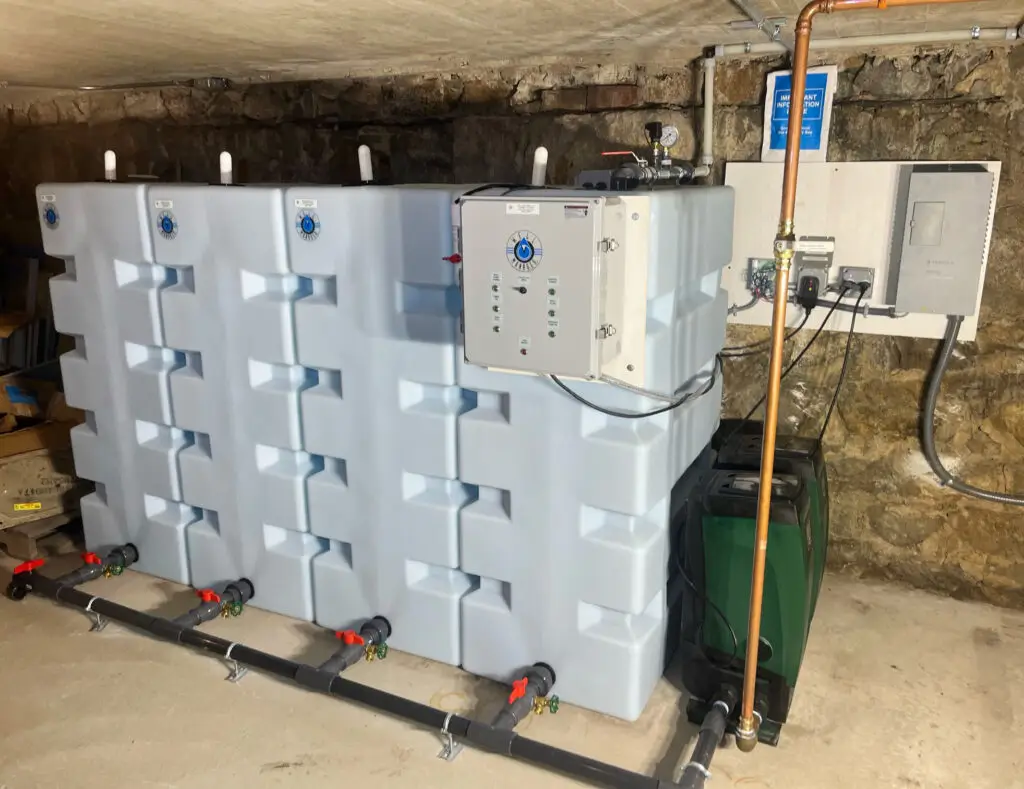
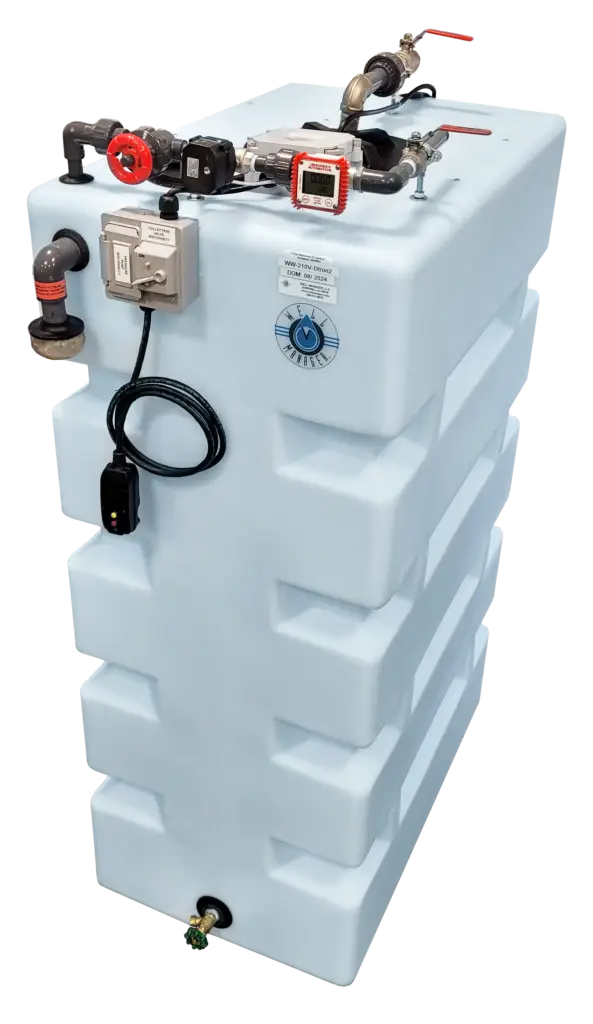
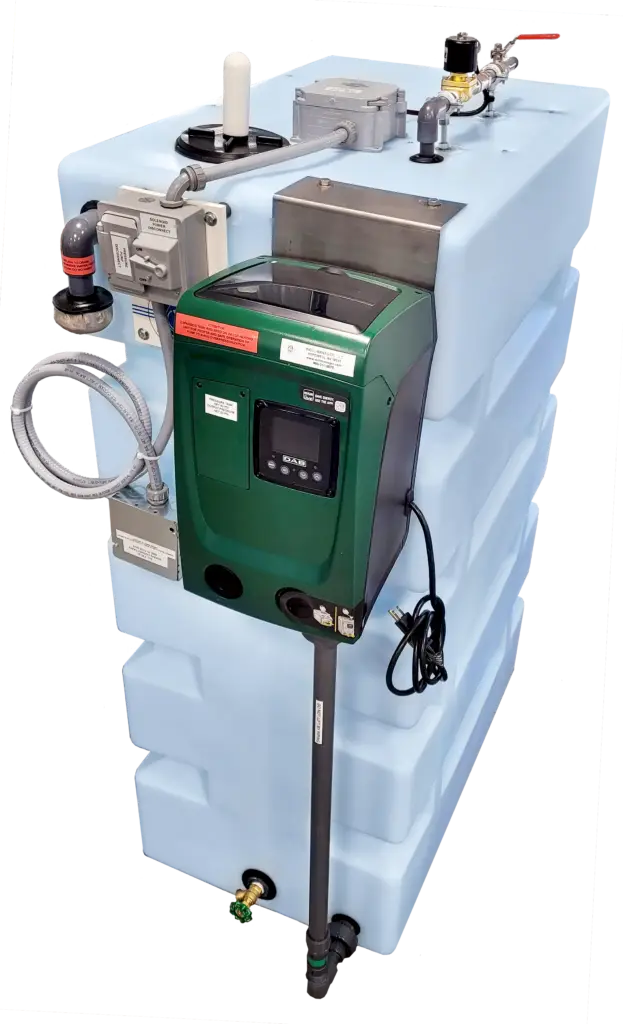
The Well Manager® 210 is an easy-to-install well water timed collection and consistent output pressure pump system for low-yield wells.
The Well Manager® gently sips water from your well, with adjustable rest periods to replenish the water consumed. This provides large volumes of stored water to be utilized as needed.
Built for wells yielding 0.25 gpm or more, Well Manager® protects your well pump, preserves your aquifer, and provides consistent output pressure.
A Lifetime of Reliable Water, a Lasting Investment! - 100% Guaranteed Results
Well Manager® System Overview
Engineered Where Others Fall Short
See How Our Systems Changed Lives
“Very pleased with my recent Well Manager purchase. I had a well scare where I ran out of water and almost blew out my well pump. I researched various well options and came across Well Manager. After multiple conversations with Well Manager, I decided to pull the trigger. It took about 3 hours for the installation and the system has worked flawlessly since it went in about 3 weeks ago. I have better water pressure and most importantly I can take a shower, run my dishwasher and washing machine all at the same time and never have to worry about running out of water. I highly recommend Well Manager for solving your well headaches.”
Same performance, more flexibility. The Modular Kit gives you everything but the tank, so you can save money, reduce freight costs, and use a tank that fits your space and budget.
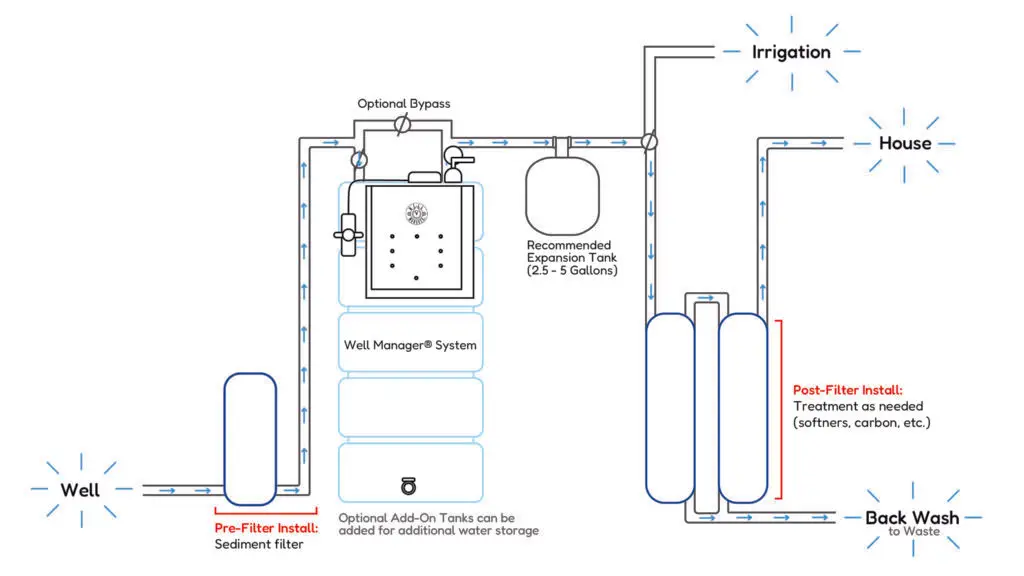
Diagram highlights pre- and post-filtration recommendations for a complete setup.
Installation Note: An expansion tank (2.5–5 gallons minimum) is recommended on the pump’s outlet side to prevent short-cycling. With a Well Manager® system, the existing pressure tank can often be reinstalled after the system to serve this purpose. Otherwise, a separate expansion tank should be added.
Videos
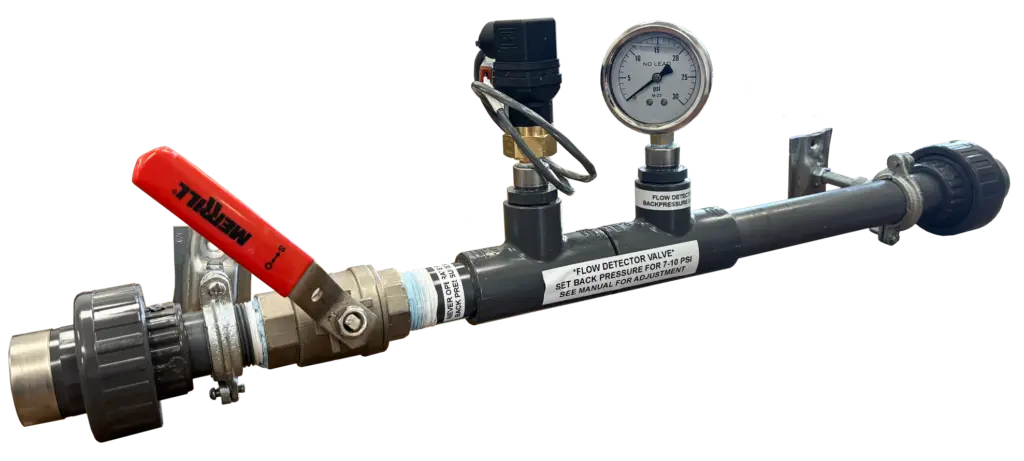
Well Manager® System | Understanding Back Pressure