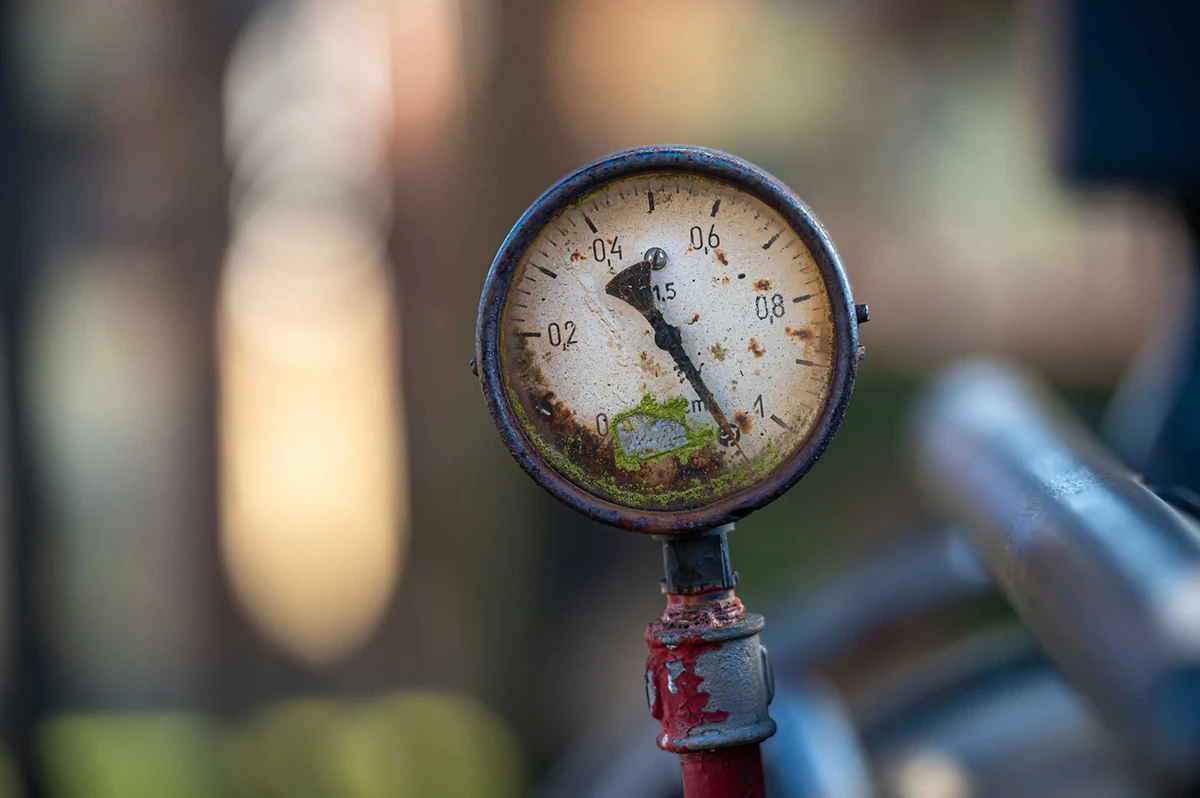
Low water pressure is one of the most common complaints we hear from homeowners on private wells. Showers slow to a trickle when the washing machine runs. Faucets sputter during peak use. Irrigation systems struggle to keep up. For many people, the first instinct is to look for a stronger pump or a quick adjustment.
But knowing how to increase water pressure starts with understanding why pressure is dropping in the first place. In homes with wells, pressure is rarely just a plumbing issue. More often, it is a sign that the well itself is reaching its limits.
Why Low Water Pressure on a Well is Different From City Water
On municipal water, pressure is supplied by centralized infrastructure. If pressure is low, the fix is often external to the home. On a private well, the entire system lives on your property. The pump, the pressure tank, and the well’s recovery rate all work together.
Low water pressure on a well usually falls into one of three categories.
- Distribution problems, such as clogged filters, undersized pipes, or failing pressure tanks.
- Pressure delivery problems, where water exists but is not being delivered at a consistent rate.
- Supply limitations, where the well cannot refill fast enough to support household demand.
Only the first category can be solved with simple maintenance. The other two require a deeper look at how water moves through the system.
Why Increasing Pump Power Alone Often Makes Things Worse
It seems logical that a stronger pump would increase pressure. In practice, this often backfires. When a pump pulls water faster than the well can recover, pressure may briefly improve, but recovery time increases. Pumps cycle more frequently. Sediment enters the system. Eventually, pressure drops further than before.
This is why many homeowners experience a pattern where pressure improves temporarily after a change, then steadily declines. The issue is not how hard the pump works. It is how quickly the well refills. If you want to increase water pressure sustainably, the system must respect the well’s recovery rate.
The Role of Storage in Solving Low Water Pressure
A pressure tank is designed to smooth short bursts of use, not to supply large volumes of water. Once the tank empties, pressure depends entirely on the well’s ability to keep up.
When low water pressure is tied to recovery rate, additional storage becomes critical. Storage allows water to be collected gradually and used later, when demand peaks. However, storage alone is not enough. A large tank that fills aggressively can still overdraw the well. The key is how the tank fills, not just how big it is.
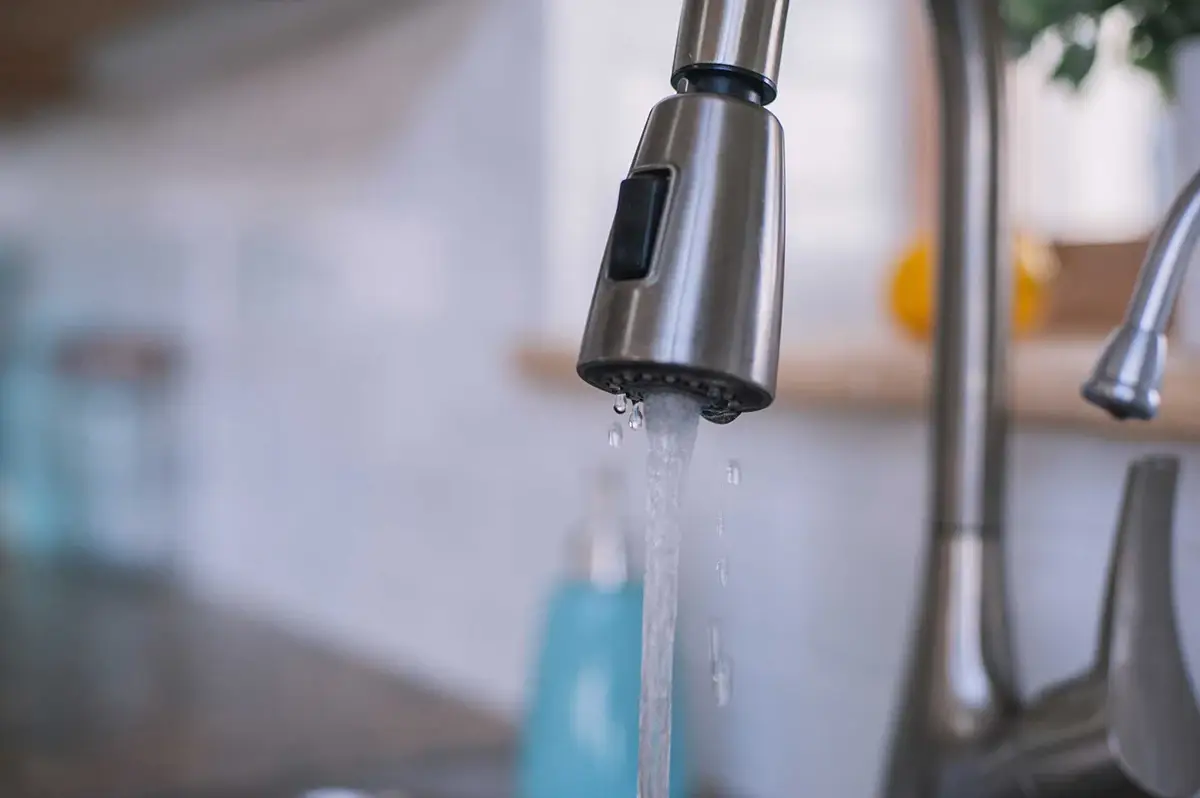
Why a Water Pressure Booster is Not Always the Right First Step
Many people search for a water pressure booster as soon as pressure drops. Boosters can be effective, but only under the right conditions.
A booster increases pressure on the delivery side of the system. It does not create water. If the system lacks stored water, a booster will amplify the problem by drawing the well down faster.
A water pressure booster works best when:
- Water is available but delivered inconsistently
- The issue is pressure stability, not supply
- Storage exists upstream of the booster
When a booster is paired with managed storage, pressure becomes predictable and comfortable. When added to an unmanaged system, it often shortens the well’s life.
How to Increase Water Pressure the Right Way on a Low-Yield Well
For wells with limited recovery, increasing pressure is a system-level decision, not a single component swap. The most reliable approach focuses on three elements.
- Separate collection from delivery:Instead of pulling water from the well every time a faucet opens, water should be collected slowly and stored. Delivery to the home should come from that stored supply. This separation protects the well from sudden demand spikes and keeps pressure steady even during heavy use.
- Control how water is collected:Water should be collected at a rate the well can sustain. Timed collection, adjustable flow paths, and safeguards against over-pumping are essential when recovery is limited. This is the difference between a system that “grabs water” and one that manages it.
- Deliver pressure independently of the well:Once water is stored, a variable-speed delivery pump can maintain consistent pressure throughout the home. This is where a water pressure booster fits naturally, not as a fix, but as part of a balanced system.
How Well Manager Approaches Low Water Pressure Differently
At Well Manager, we do not treat low water pressure as a surface problem. We treat it as a systems problem. Our experience with low-yield wells has shown that reliable pressure comes from protecting the well first, then delivering water intelligently. That philosophy shows up across our solutions without forcing homeowners into unnecessary complexity.
Some homes need deep recovery protection and tightly controlled collection. Others need stable delivery from existing storage. In both cases, the goal is the same: consistent pressure without stressing the well.
This is why our approach always starts with understanding recovery rate, household demand, and how water currently moves through the system, before recommending any changes.
When a Water Pressure Booster Makes Sense
A water pressure booster is an excellent tool when used correctly. It makes sense when:
- The well can supply water, but pressure fluctuates
- Storage exists or is being added
- The goal is comfort and consistency, not higher draw
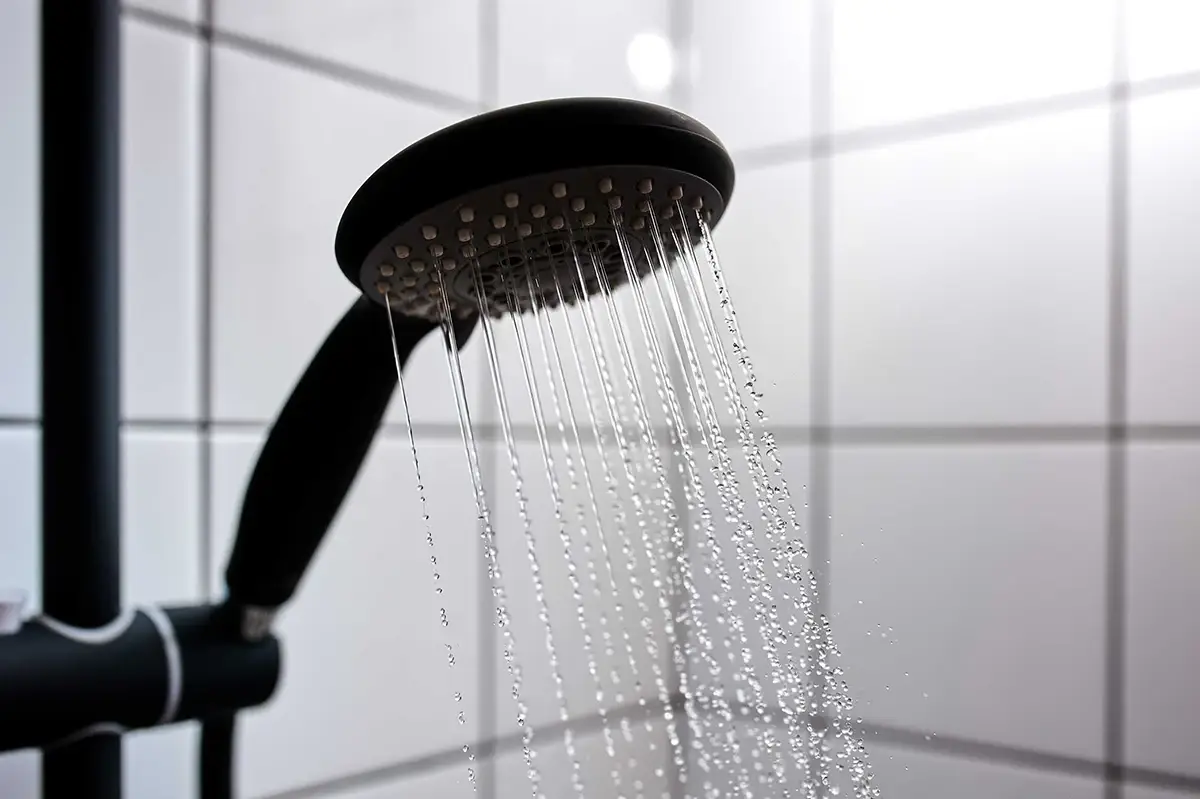
In these scenarios, a booster improves quality of life without increasing risk. Showers stay strong. Appliances run together. Pressure feels like city water, even though supply remains private.
Signs Your Low Water Pressure Needs More than a Simple Fix
If you are experiencing any of the following, pressure adjustments alone are unlikely to solve the problem.
- Pressure drops only during peak use
- The pump runs longer or more frequently than before
- Air or sediment appears after heavy use
- Pressure improves temporarily, then worsens
These are indicators that recovery, not delivery, is the limiting factor.
The Bigger Picture
Low water pressure is frustrating, but it is also informative. It tells you how close your system is operating to its limits.
Learning how to increase water pressure is really about operating within those limits without exceeding them. Storage, controlled collection, and intelligent delivery work together to do exactly that.
For homeowners on wells, especially low-yield wells, the most reliable pressure improvements are the ones that protect the source while improving the experience.
That balance is what keeps pressure strong today and wells functioning tomorrow.