Low water pressure from a private well rarely announces itself with one clear failure. It usually manifests as patterns that disrupt normal life. The shower feels fine until laundry starts. The kitchen faucet weakens when someone runs a second fixture. Sometimes the pressure starts strong, then fades, then comes back later. That is the moment most people start searching for ways to increase water pressure, because the system feels unreliable and the fixes feel like guesswork.
Tips for Fixing a Low Yield Well
Groundwater agencies and university extension programs describe the situation in a way that explains why the guessing happens. Low water pressure well problems almost always come from one of two limits. Either the system cannot deliver water efficiently after it leaves the well, or the well cannot replenish water fast enough to keep up with demand. Pressure can be increased mechanically. Water availability over time cannot. Quick fixes fail when they treat pressure like a dial, even though the real constraint is often flow, restriction, cycling behavior, or recovery.
The Reason “More Pressure” Does Not Always Solve the Problem
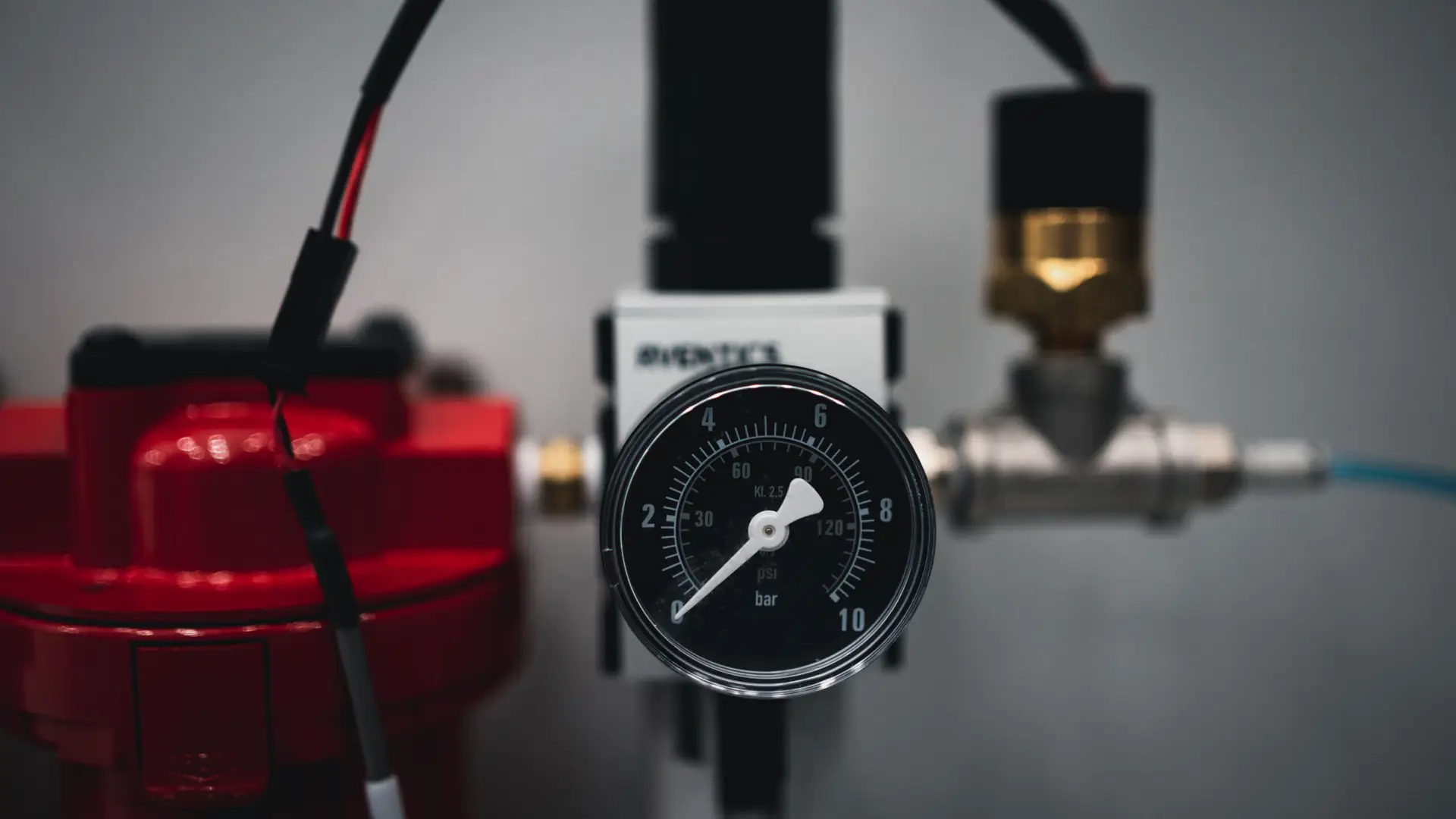
Pressure is the push. Flow is the amount of water delivered over time. That difference matters because a home can have a pressure setting that looks normal and still feel weak at the faucet if the system cannot deliver enough water when demand rises.
Well owner education resources explain that pressure tanks and controls regulate pressure within a range, but they do not create additional water. If demand exceeds the system’s capacity, pressure drops at the fixtures. That is why many attempts to increase water pressure work in quiet moments but fail during real household use.
Cause #1: Flow Restrictions Inside the Home Reduce Delivered Pressure
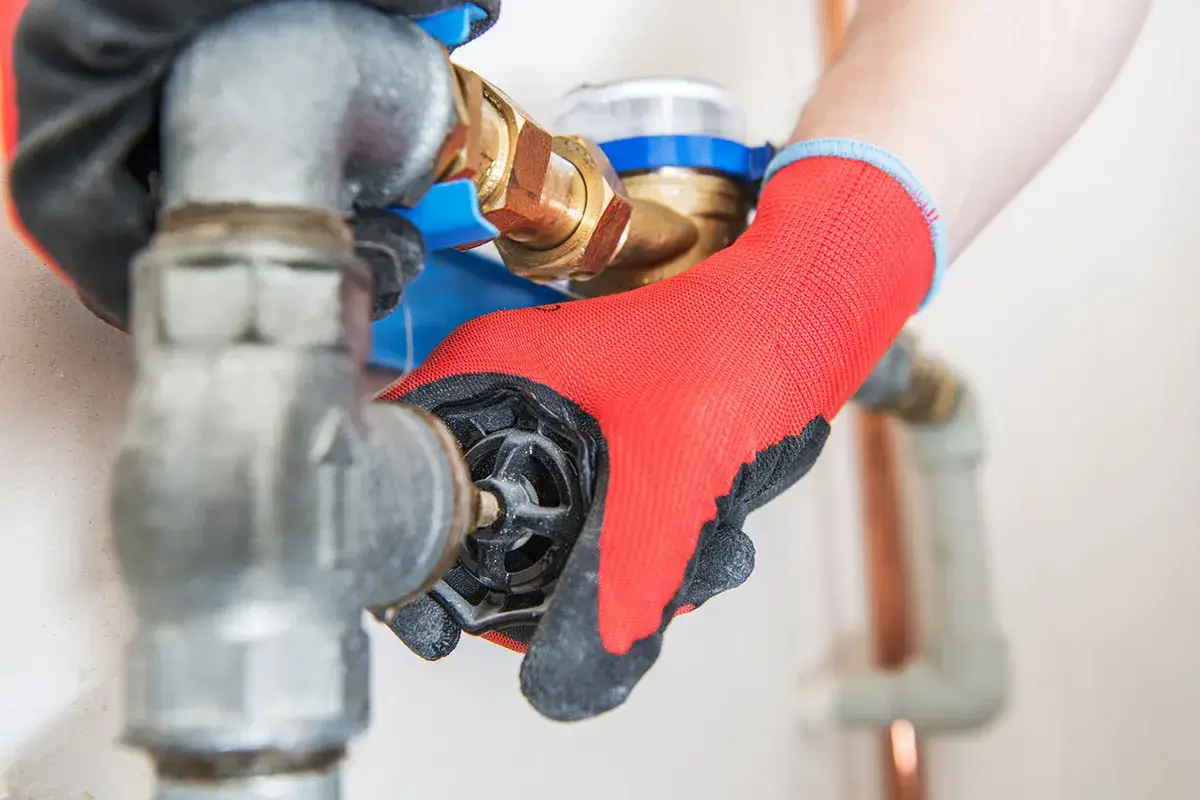
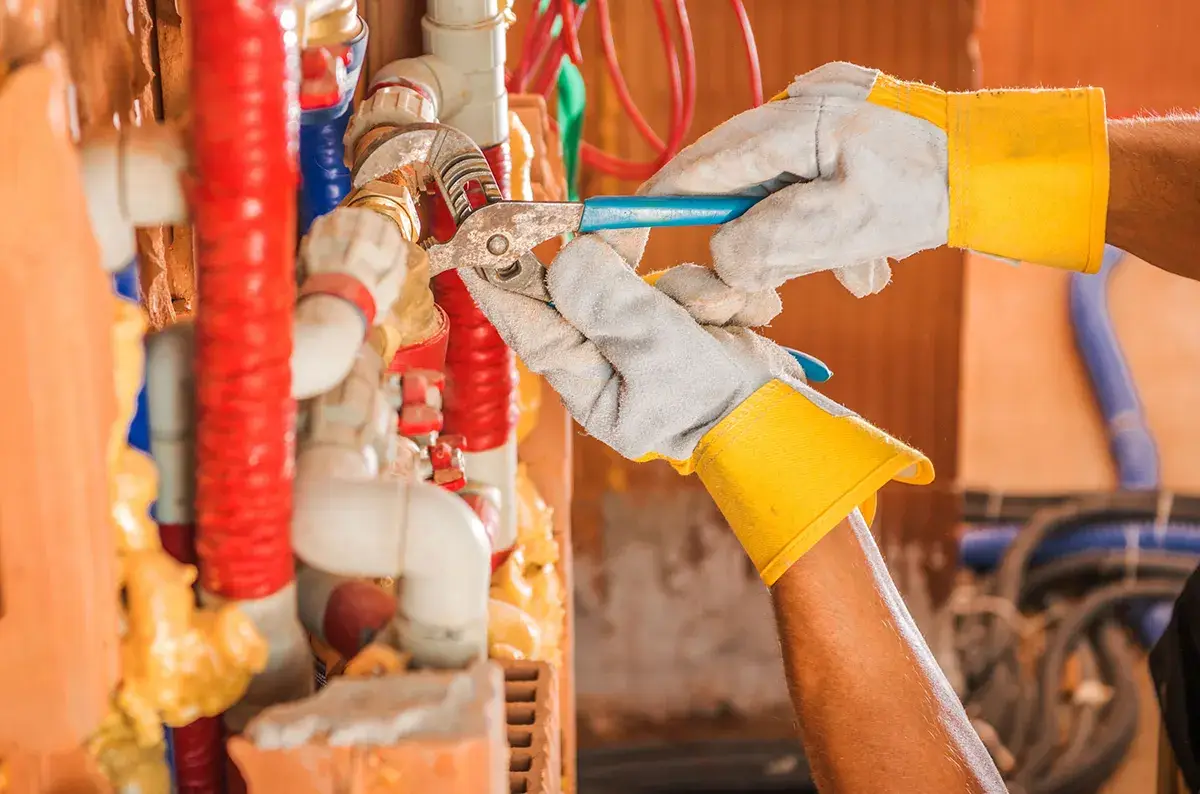
Low pressure from a well is sometimes a plumbing restriction that gets blamed on the well. University extension guidance on hard water and household plumbing shows how mineral scale and sediment buildup narrow internal pathways over time. When the pathway narrows, resistance rises. The system has to work harder to deliver the same amount of water, and fixtures feel weaker even when the well and pump are functioning.
This often presents unevenly. One bathroom feels worse than another. Hot water can drop more than cold water. The change is gradual enough that it becomes the new normal until it crosses a threshold.
A water pressure booster does not solve this kind of problem because it does not reopen a narrowed path. It increases force against the restriction. That can make the system feel slightly better in the short term, but it does not remove the constraint, so the quick fix fails when demand rises again.
Cause #2: Pressure Tank Problems Create Unstable Pressure That Feels Random
Pressure tanks exist to stabilize delivery and reduce pump cycling. Public agencies describe them as a key part of maintaining a usable pressure range. When the air-water balance is wrong or the tank is failing internally, the pressure fluctuations become erratic.
This is the kind of low-water-pressure well problem that makes homeowners feel like the system has a mind of its own. Pressure can surge, pulse, or drop fast. The pump may cycle far more frequently than it should. Understandably, people try to increase water pressure by adjusting settings, because the system feels close to working.
Quick fixes fail here because unstable pressure is usually not caused by a lack of “more PSI.” It is caused by a component that is no longer buffering and cycling the way it should. A water pressure booster cannot correct unstable cycling inside the system. Stability has to be restored at the tank and control levels.
Cause #3: Pressure Switch or Control Issues Disrupt the Pump Cycle
Well systems depend on the pump cycling correctly. Controls tell the pump when to turn on and off, and the whole home feels the result. When controls malfunction or become misaligned with the tank and pump, pressure can become inconsistent, not matching normal household demand.
This cause often pulls homeowners into tinkering because it seems like a settings problem. The risk is that controls do not exist alone. They have to match the tank’s behavior and the pump’s capabilities. When those relationships are off, adjustments can make pressure less stable and can accelerate wear. That is why “turn it up” fixes are so often temporary or harmful in this category.
Cause #4: Pump or Well Hardware Degradation Reduces Capacity and Consistency
Pumps wear. Check valves can leak. Screens and piping can become constricted. Groundwater programs and well system guidance recognize that wells and mechanical components can change over time, even when installed correctly.
This cause usually shows up as a system that used to work fine, but now struggles with everyday household life. The system may take longer to recover. It may no longer handle multiple fixtures. Pressure may decline gradually until it becomes obvious.
Quick fixes fail here because settings cannot restore mechanical capacity. A water pressure booster cannot rebuild a worn pump or clear a constricted screen. It can push water harder, but it cannot fix the reason output has declined. If capacity is the real issue, pressure-focused solutions create stress without restoring reliability.
Cause #5: Low Yield or Slow Recovery Makes Pressure Fade During Sustained Use
This is the most commonly misread pattern, and the one that causes the most wasted effort. A low-yield or slow-recovery well can still produce water, sometimes enough to feel normal at first. The failure occurs when demand exceeds the well’s replenishment rate.
When this is the cause, the pressure story is predictable. The system starts strong and then fades because the well is not refilling as quickly as water is being removed. After rest, pressure returns. That is not a pressure setting problem. It is a timing and availability problem.
This is also where many people chase the wrong solutions. A pressure tank can smooth delivery while water is available, but it cannot change recovery. A steadier pressure device can reduce swings, but it cannot increase supply. A water pressure booster increases force, not the amount of water the well can produce over time. That is why attempts to increase water pressure fail repeatedly in this scenario, especially during peak household use.
These are the most common real-life clues that recovery is the limiting factor:
- Pressure starts normal, then fades after several minutes of running water
- Pressure drops sharply when a second fixture turns on
- Water availability improves after the well rests, often later that day or the next morning
- Performance is worse during high-use periods, not randomly
When these clues match, the lasting fix is not a higher pressure setting. The lasting fix is a solution that respects recovery and separates demand from the well’s natural pace.
Why Quick Fixes Often Fail
Quick fixes fail because they treat pressure as the cause. In reality, pressure is often the signal. Restrictions reduce flow. Tanks and controls destabilize cycling. Hardware reduces capacity. Low yield limits recovery. When the fix does not match the constraint, the system might improve briefly and then fail again under the same conditions.
That cycle is exactly why homeowners keep searching for how to increase water pressure and keep feeling like nothing sticks.
When A Well Manager Approach Fits and When It Does Not
When pressure fades during normal use and returns after rest, the limiting factor is recovery. That pattern is why so many “how to increase water pressure” attempts fail on a low-water-pressure well. The system is not losing pressure; it just needs a tweak. It is losing pressure because the well is being asked to deliver water faster than it can replenish.
The Well Manager approach is built for that condition. Water is collected in controlled intervals, stored, and then delivered to the home at steady pressure from the storage tank. Instead of forcing a low-yield well to keep up with peak demand in real time, the system shifts the timing of supply, so daily water use no longer collides with recovery.
This approach does not replace clearing restrictions or repairing failed components. If plumbing is narrowed by scale, storage does not reopen the path. If hardware is failing, storage does not restore capacity. Matching the solution to the cause is what makes the result durable.
When the situation needs immediate attention
Certain situations should not be treated as trial and error:
- The pump runs continuously
- Rapid short cycling develops
- Water is suddenly lost
- Air or sediment appears
- You suspect the well may be running dry
Those red flags matter because they can signal pump risk and system damage. Protecting the pump always comes first.
When low water pressure from a well follows the recovery pattern, the lasting answer is not a stronger setting or a simple water pressure booster. The lasting answer is a system designed around recovery. Well Manager is built to turn an unpredictable well into a steady water supply by safely collecting water, storing it, and delivering consistent pressure when your home needs it.